


The 30-60-90 rule groups routine upkeep into three clear mileage milestones so you stay ahead of wear and avoid unexpected breakdowns. It schedules common preventative tasks around 30,000, 60,000 and 90,000 miles so filters, fluids and other wear items are replaced before they fail.
Sticking to mileage-based intervals helps reduce component wear, keep fuel economy steady and cut the risk of roadside problems. This guide explains what to expect at each interval, provides checklists for 30k/60k/90k services, outlines the safety and cost benefits of preventative care, and shows how the approach adjusts for classic cars in Tonbridge.
We also link these principles to related services, MOT testing, tyres, batteries and diagnostics, so you can turn recommendations into practical bookings and sensible maintenance choices.
What Does the 30-60-90 Rule Mean for Your Car Service Intervals?
The 30-60-90 rule breaks preventative maintenance into three mileage bands that reflect growing wear and increasing system complexity. At 30,000 miles, the focus is on routine upkeep, oil, filters, brakes and tyres, to keep the car running smoothly.
At 60,000 miles the work expands to mid-life replacements and deeper fluid or electrical checks as parts begin to show cumulative wear. By 90,000 miles attention turns to major wear items and system diagnostics, such as timing belts or suspension components where applicable, to help prevent serious failures.
It’s a straightforward framework that lines up with many manufacturer service schedules and gives you a predictable way to plan servicing. Below, you’ll find a concise checklist for a typical 30,000-mile service and a comparison with what changes at 60,000 miles.

30,000-Mile Car Service Checklist
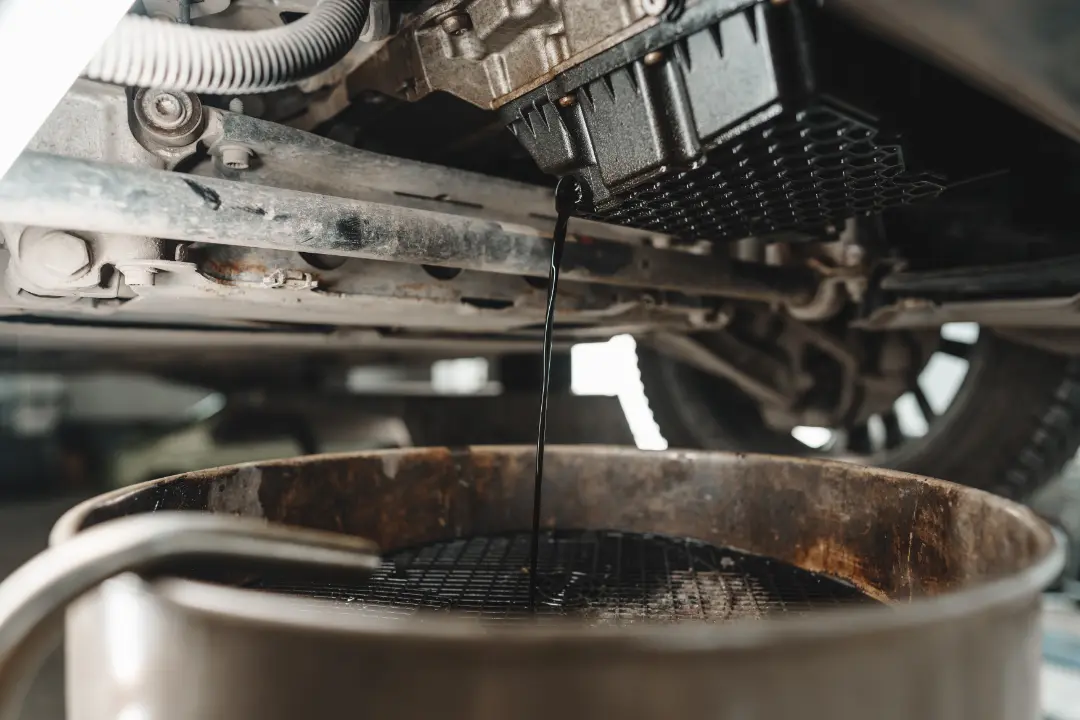
A 30,000-mile service brings together routine replacements and inspections to protect core systems and maintain efficiency. Typical tasks include an oil and oil filter change, air and cabin filter inspection or replacement, a thorough brake check and measurement, tyre condition and pressure check with rotation if needed, and topping up fluids like coolant and brake fluid.
Technicians also scan for diagnostic codes and perform a basic safety check of lights and wipers to pick up early electrical or safety issues. These steps reduce engine wear, help preserve fuel economy and keep braking and handling more reliable between major jobs.
60,000-Mile Car Maintenance Differences
At 60,000 miles, servicing goes beyond routine care to cover components that typically need mid-life attention. Common additions include gearbox or transmission fluid replacement where the manufacturer recommends it, spark plug replacement on petrol engines, drive belt inspection and possible replacement, and a deeper diagnostic check of emissions and engine management systems.
These checks address accumulated stress and can often prevent costly damage by replacing parts before they fail. Knowing the 60k checklist helps you budget for larger jobs and schedule the most convenient downtime for your vehicle.
Sovereign Motor Engineers (SME) applies this mileage-based approach locally in Tonbridge, matching our service packages to 30k/60k/90k intervals so customers receive predictable, manufacturer-aligned care.
As an independent garage offering repairs, MOT testing, tyres, batteries, air-con regas and brakes, we use quality parts and clear explanations to help drivers plan maintenance with clear pricing and trusted local service.
Why Is Following a Preventative Car Maintenance Schedule Important?
Preventative maintenance stops small faults from becoming major, expensive repairs by catching wear early. Regular servicing preserves vehicle life by keeping lubrication, cooling and braking systems in good order, which reduces mechanical stress and helps avoid engine or transmission damage.
It also keeps the car safer and more reliable: well-maintained brakes and tyres shorten stopping distances and reduce the risk of roadside incidents. Finally, a documented service history helps maintain resale value by showing the vehicle has been looked after.
In practical terms, consistent servicing delivers three key benefits:
- Extended vehicle lifespan: Replacing wear items and fluids reduces mechanical stress and the likelihood of failures.
- Cost savings: Early detection avoids major repairs and spreads costs more predictably.
- Improved safety: Regular checks keep brakes, steering and lights working as they should.
Those outcomes explain why a structured 30‑60‑90 approach suits owners who want dependable, economical vehicle ownership and a clear servicing plan.
Regular Servicing Extends Vehicle Lifespan
Regular servicing slows mechanical wear by ensuring moving parts run with correct lubrication, cooling and clearances. Clean oil reduces engine friction and removes contaminants that wear bearings and rings, while fresh fluids protect seals and fight corrosion.
Brake and tyre upkeep maintains contact patches and stopping power, preventing uneven wear that can affect suspension or the drivetrain. Early detection of small faults through diagnostics allows targeted repairs before damage spreads, preserving both value and usable life.
Cost Savings and Safety Benefits of the 30-60-90 Rule
Using the 30-60-90 rule spreads maintenance costs over time and cuts the risk of expensive emergency repairs. For example, replacing a drive belt or timing belt on schedule could avoid potential engine damage that would be far more expensive to repair.
Scheduled servicing also reduces breakdown costs and the hassle of unplanned downtime. From a safety perspective, regular checks of brakes, tyres and lights reduce accident risk by keeping critical systems within specification and responsive under stress.
What Services Are Typically Performed at Each 30k, 60k, and 90k-Mile Interval?
Below is a practical comparison of common inspections and replacements at each interval, so you can scan tasks quickly and plan bookings. The table summarises typical service items and how they usually map across the three mileage milestones.
| Service Item | Typical 30k | Typical 60k | Typical 90k |
|---|---|---|---|
| Oil & filters | Change engine oil and oil filter | Change oil; inspect transmission fluid where applicable | Change oil; perform a full fluid service and replace transmission fluid if due |
| Brakes | Inspect pads & discs; adjust as necessary | Replace pads if worn; inspect calipers and lines | Full brake system inspection; replace discs/pads and service hydraulics as required |
| Belts & timing | Visual check of belts | Inspect drive belts; replace spark plugs on petrol engines | Timing belt replacement where specified; check and replace the water pump if required |
| Tyres & suspension | Check tyre wear & pressures; rotate tyres if needed | Rotate tyres; inspect suspension and shock absorbers | Comprehensive suspension check and wheel alignment |
Exact work varies by vehicle type and manufacturer guidance, these are common patterns to help you plan your service.
Key Checks and Replacements at 30,000 Miles
At 30k, the priority is routine upkeep that keeps the engine and key safety systems reliable. Core tasks include an oil and filter change, air and cabin filter inspection or replacement, measuring brake pad thickness and testing brake function, checking tyre condition and rotating tyres if needed, and topping up fluids like coolant and screenwash.
Technicians also scan for fault codes and confirm lights and wipers are working. If you notice unusual noises, loss of power or uneven tyre wear, bring the car in sooner, those signs usually need prompt attention.
Major Maintenance Tasks at 90,000 Miles
The 90k service targets items whose failure can cause serious damage, so proactive replacement is often recommended. Typical major tasks are timing belt replacement where required (commonly done with a water pump change), a full suspension and steering inspection, in-depth diagnostics of engine and transmission systems, and attention to major seals and gaskets.
These jobs can take time and may need parts ordered in advance, so discuss likely costs and downtime with your technician when booking. Prioritising these replacements helps reduce the risk of much higher repair bills later on.
At SME Tonbridge, we handle the core jobs above, oil and filter changes, brake checks, tyre services, belt inspections, diagnostic scans and MOT testing, using quality parts and experienced technicians. Local customers benefit from practical advice, fair pricing and a team that explains recommended work clearly when scheduling 30k, 60k or 90k services.
How Does the 30-60-90 Rule Apply to Classic Car Maintenance in Tonbridge?
Applying the 30-60-90 approach to classic cars requires some adjustment because vintage components age differently and replacement parts can be hard to find. Classic cars often require more frequent lubrication, corrosion checks and attention to carburettors, period electrics and fabric components, even at relatively low mileage.
Preserving original parts and authenticity affects whether to replace or sympathetically repair components, and specialist fluids or lubricants may be recommended to protect older materials. Owners should balance mileage-based intervals with calendar checks for rust and storage-related deterioration.

Classic vehicles also need specialist knowledge of period systems and sourcing obsolete parts; bespoke care helps extend life and preserve value. The table below highlights common classic components, recommended checks and specialist considerations.
| Classic Component | Recommended Check/Replacement | Specialist Consideration |
|---|---|---|
| Carburettor | Clean, synchronise and rebuild as required | Use period‑correct jets and settings to preserve drivability |
| Electrical loom | Inspect for corrosion and brittle insulation | Replace or recondition using sympathetic wiring techniques |
| Chassis & body | Check for rust and treat where needed | Use appropriate preservation methods to maintain authenticity |
Specialist Care for Classic Cars at These Intervals
Classic‑specific tasks focus on preservation and correct operation of older technologies rather than simple part swaps. Expect carburettor tuning, vintage electrical inspections and restoration, specialist fluid and lubrication choices for older engines, and proactive rust prevention and chassis treatment.
Keeping replacements sympathetic to the vehicle’s history helps retain provenance and resale value. Booking with a technician experienced in classic cars ensures maintenance choices prioritise long‑term preservation.
Benefits of Choosing Local Experts for Classic Car Servicing in Tonbridge
Local Tonbridge car garage brings convenience and local knowledge, combined with a classic-focused experience that mainstream dealers may not offer. In Tonbridge, a garage that knows vintage vehicles makes parts sourcing easier, reduces transport time, and builds a long-term relationship that supports ongoing preservation.
Sovereign Motor Engineers provides classic car servicing alongside modern vehicle repairs, with specialist care, quality parts, and practical advice to help owners plan appropriate intervals and conservation-led work. If you own a classic in Kent, a local expert helps strike the right balance between authenticity, reliability, and sensible maintenance planning.
Frequently Asked Questions
What Are the Signs That My Car Needs Maintenance Before the Scheduled Intervals?
Look for warning lights on the dashboard, unusual noises, reduced fuel economy, or changes in handling and braking. Fluid leaks, a burning smell or smoke are also signs you should get the car checked immediately. Regularly watching how the vehicle drives and acting on anything out of the ordinary helps prevent more serious problems later.
How Can I Keep Track of My Car’s Maintenance Schedule Effectively?
Use a digital calendar or a maintenance app that reminds you of upcoming services by mileage or time. Keeping a physical logbook in the car with service dates, work done and any notes is also useful. Regularly checking your vehicle handbook for manufacturer recommendations will help keep your schedule accurate.
Are There Any Specific Maintenance Tasks for Electric or Hybrid Vehicles?
Yes. Electric and hybrid vehicles need slightly different attention from conventional cars: monitor battery health, check the battery cooling system, and inspect the electric motor and related electronics. Brake fluid and coolant should still be checked regularly, and tyre condition remains important. Regular software updates can also be part of routine maintenance to keep systems running efficiently.
What Should I Do If I Miss a Scheduled Maintenance Interval?
If you miss an interval, book the service as soon as possible. Delaying maintenance can let small issues grow into more serious, more expensive problems. When you bring the car in, tell the technician you missed the interval so they can perform a thorough inspection and address anything that may have developed.
Final Thoughts
The 30-60-90 rule turns car care into a simple plan: at 30,000 miles handle oil, filters, brakes, tyres and basic diagnostics; at 60,000 miles add deeper fluid, belt and ignition checks; at 90,000 miles tackle major wear items like timing components and suspension to prevent costly failures.
This preventive rhythm protects performance, safety, fuel economy and resale value, while classic cars may need extra corrosion and vintage-system attention alongside mileage. Don’t wait for warning lights or breakdowns, check your mileage today and book your next service with SME.