

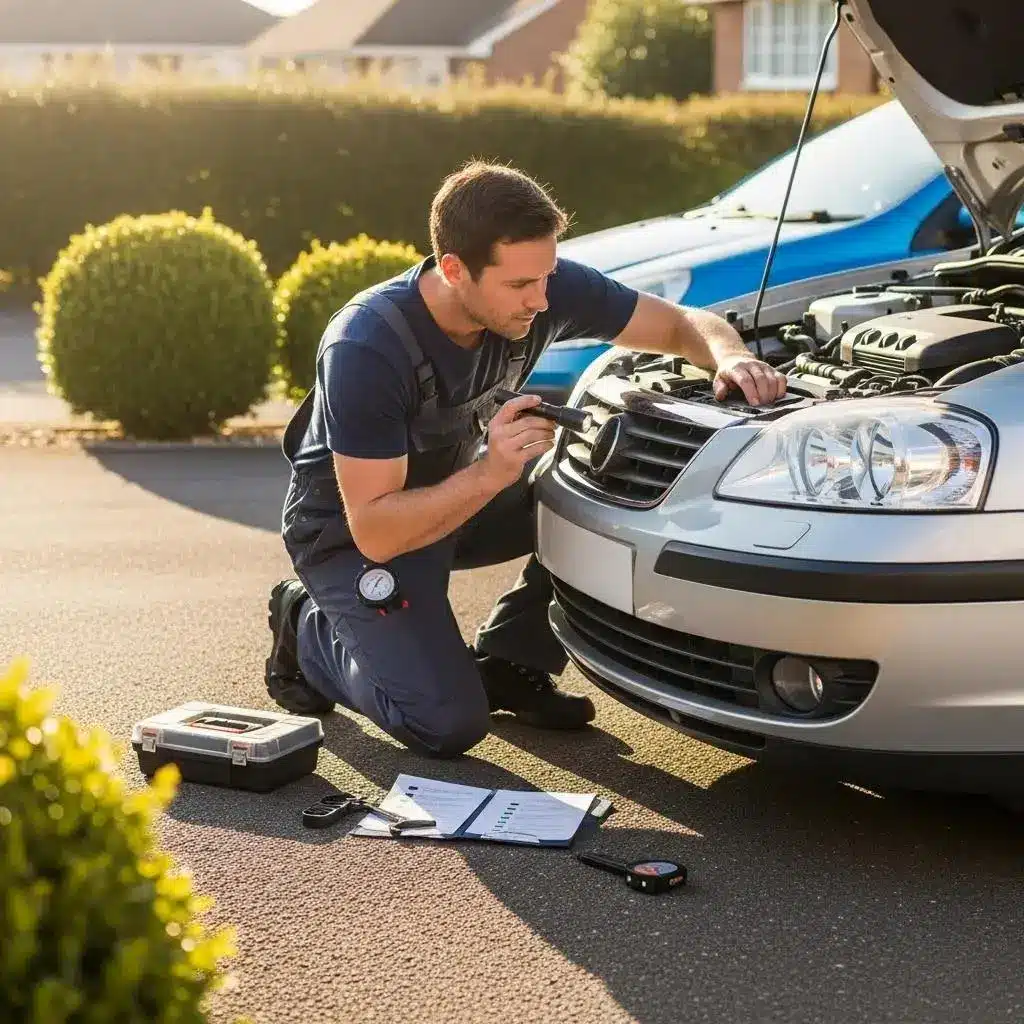


Your dashboard lights are your car’s way of talking to you. Some messages are routine; others need immediate attention to protect you and your vehicle. This guide explains the warning lights drivers see most often, what they usually mean, and the practical, step-by-step actions to take.
You’ll find clear priorities for the check engine lamp, oil pressure alert, brake warnings, and charging/battery indicators, plus guidance on when a diagnostic scan is essential.
We also explain how local diagnostic services in Tonbridge can help with urgent faults and why classic cars may need specialist handling for older electrical and mechanical systems. Read the short answers, action lists, and simple tables to quickly decide whether to stop, investigate, or call for professional help.
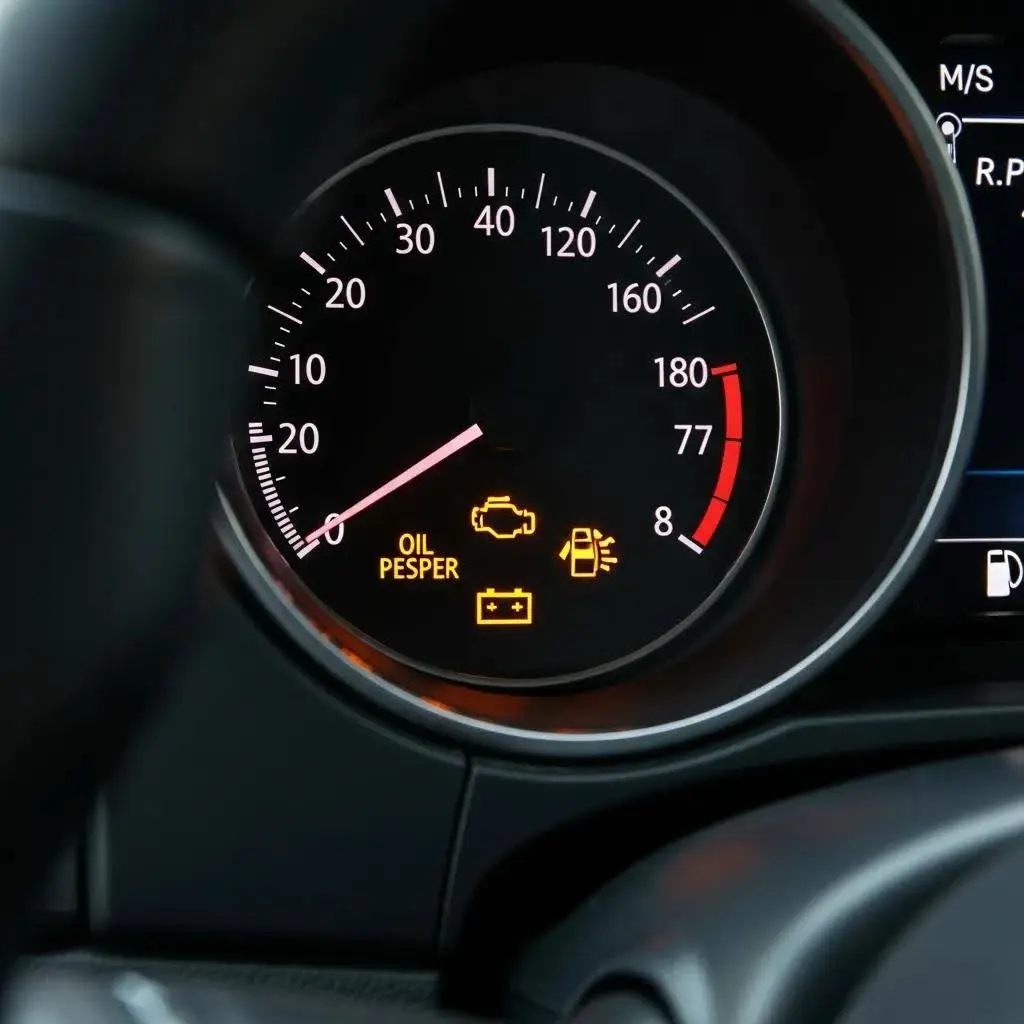
What Does The Check Engine Light Mean, And Why Should You Act Fast?
The check engine light (also called the engine management light or MIL) tells you the OBD system has detected a fault that affects emissions, drivability, or engine safety. A steady light usually points to a non-emergency issue that still needs timely diagnosis.
A flashing light usually indicates an active misfire, which can damage the catalytic converter and needs immediate attention. Acting quickly reduces the chance of more expensive repairs, avoids poor fuel economy, and stops drivability problems that could leave you stranded.
A diagnostic scan helps you decide whether a quick local repair is safe or whether the car should be recovered to a specialist.
At Sovereign Motor Engineers in Tonbridge, we offer OBD-II scanning and targeted diagnostic checks for engine management faults. Call us on 01732 351439 to book a scan and get a clear repair recommendation if you suspect a serious issue. This gives you an actionable next step without putting safety on hold.
Different OBD-II sensors relate to typical symptoms and urgency. Use this table to prioritise your immediate response based on the fault found.
| Sensor/System | Common Fault Detected | Likely Impact / Urgency |
|---|---|---|
| Oxygen sensor | Incorrect air/fuel mixture; reduced fuel economy | Medium — higher emissions, lower MPG |
| Cylinder misfire(s) | Ignition, fuel, or compression faults | High — flashing light; risk of catalytic converter damage |
| Catalytic converter | Overheating or blockage | High — poor performance; risk of costly repair |
| MAF (airflow) | A contaminated or faulty sensor is causing hesitation | Medium — drivability issues |
| EGR system | Valve faults causing rough idle or emissions errors | Low–Medium — possible emissions failure |
This quick reference helps you decide whether to keep driving safely or stop and arrange a diagnostic scan.
Common Issues That Trigger The Check Engine Light
Causes range from simple maintenance items to faults that immediately affect the engine or emissions system. Typical problems include a failed oxygen sensor, a dirty or faulty MAF sensor, ignition misfires from failing coils or plugs, a deteriorating catalytic converter, and fuel delivery issues such as clogged injectors or a weak pump.
In many cases, symptoms are usually obvious: oxygen sensor faults often cut fuel economy, misfires cause rough running and vibration, and MAF issues lead to hesitation on acceleration.
Classic cars may set off different warnings; older vehicles lack modern OBD-II systems, so mechanical checks and specialist interpretation are often required.
- Oxygen sensor faults: reduced fuel economy and emissions errors.
- Ignition misfires: rough running and, in some cases, a flashing engine light.
- MAF/EGR faults: hesitation or an unstable idle.
A proper diagnostic workflow reads codes, checks live data, and confirms the true mechanical cause.
How Sovereign Motor Engineers Diagnose And Fix Engine Light Problems
We start with an OBD-II scan to read fault codes and freeze-frame data showing the conditions when the fault occurred. Our technicians then carry out focused checks, inspecting ignition parts, testing fuel pressure, verifying sensor voltages, and taking the car for a road test to reproduce symptoms.
For classic cars, we combine electrical testing with traditional mechanical inspection when OBD tools are not available. After diagnosis, we explain repair options, recommend parts, repairs, or calibration, and arrange the booking by phone. Our aim is accurate fault isolation and value for money compared with main dealer prices.
These diagnostic steps clarify whether a simple part replacement will fix the issue or whether a longer repair plan is needed to prevent it from returning.
Why Is The Oil Pressure Warning Light Critical For Your Vehicle’s Health?
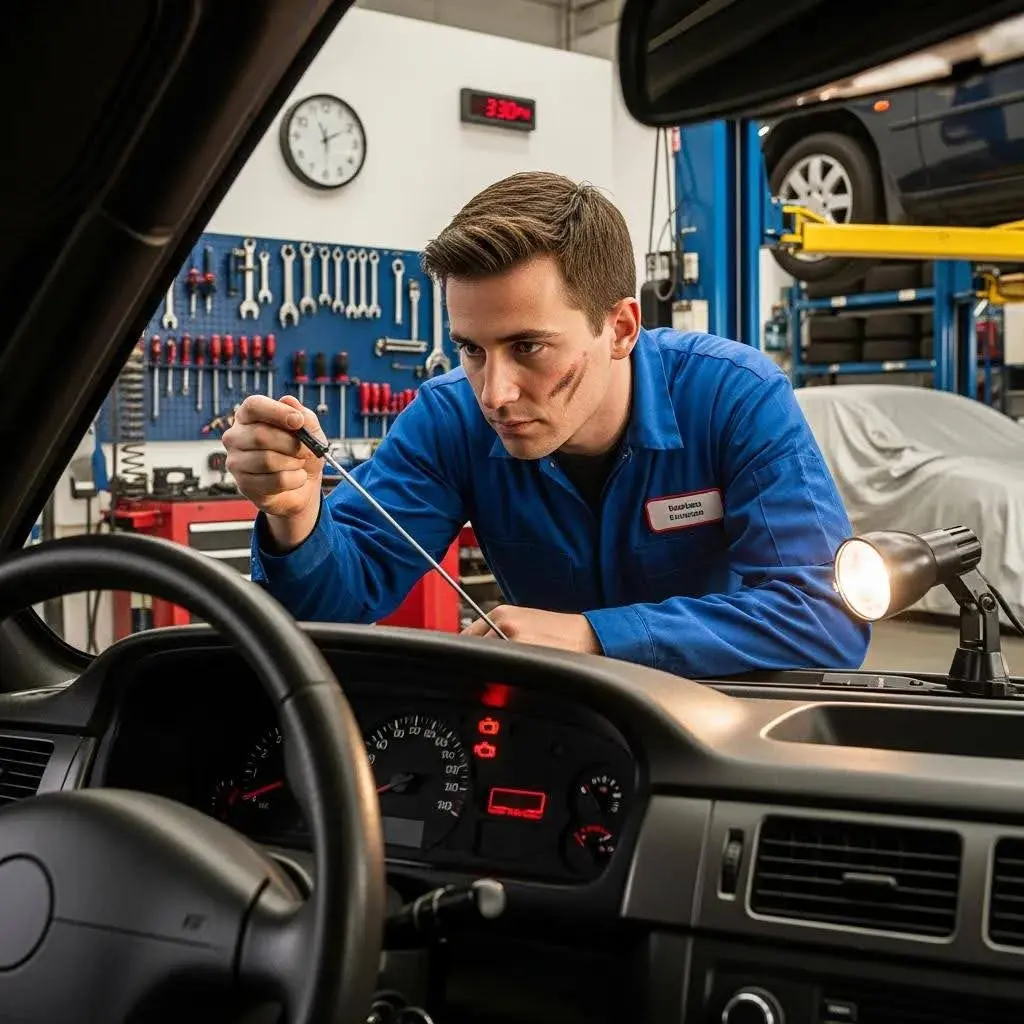
The oil pressure warning light means the lubrication system isn’t maintaining proper pressure or the pressure sensor/electrical circuit has a fault.
Oil pressure keeps bearings, pistons, and the crankshaft lubricated; low pressure can cause rapid wear, scoring, or even catastrophic engine failure. Treat the oil pressure light as more urgent than a simple oil level reminder:
Check levels and avoid driving until you confirm pressure is safe. Early action protects the engine and avoids high repair bills.
Different problems can show the same warning light, but each needs a different immediate response. The table below lists common triggers, risks, and correct immediate actions.
| Trigger | Likely Cause | Immediate Risk / Action |
|---|---|---|
| Low oil level | Leak or overdue service | Stop safely, check the level, and top up if safe |
| Oil pump failure | Mechanical fault or pickup blockage | High, do not drive; arrange recovery immediately |
| Clogged oil pickup/filter | Sludge or debris is restricting oil flow | High, stop, and call for inspection |
| Sensor/electrical fault | Faulty sender or wiring | Medium, verify with a sensor test |
Common Causes Of The Oil Pressure Warning Light
Typical causes include genuinely low oil level from leaks or consumption, a failing oil pump that cannot keep pressure, a blocked pickup or filter starving the engine of oil, and occasionally a faulty pressure sensor or wiring giving a false alert.
Signs differ: low oil often leaves visible fluid under the car, while pump failure can be accompanied by whining noises or a rapid rise in oil temperature. Classic cars are more prone to old seals and sludge that reduce flow, increasing the risk of pump or pickup faults.
Identifying the likely cause helps you decide whether a roadside top-up is enough or whether a tow to a workshop is needed.
These mechanical differences determine the actions drivers should take as soon as the light comes on.
Immediate Steps To Take When The Oil Light Comes On
If the oil pressure light comes on, follow this short, urgent checklist to reduce engine risk and decide when to call for professional help. First, stop in a safe place as soon as traffic allows and switch off the engine to limit damage.
Second, after a few minutes for the oil to settle, check the dipstick and look for leaks; only top up with the correct oil if you confirm the level is low.
Third, if topping up doesn’t clear the light, or if the level was fine, do not continue driving; contact a professional for diagnostic checks or arrange vehicle recovery to avoid catastrophic damage.
- Stop safely and switch off the engine.
- Check the oil level and top up if it is low.
- If the light stays on, arrange a diagnostic inspection or recovery.
We recommend booking an oil pressure check, fluid top-up, or a workshop inspection at our Tonbridge garage to confirm pump integrity and carry out any necessary repairs.
How To Respond To Brake System Warning Lights To Stay Safe
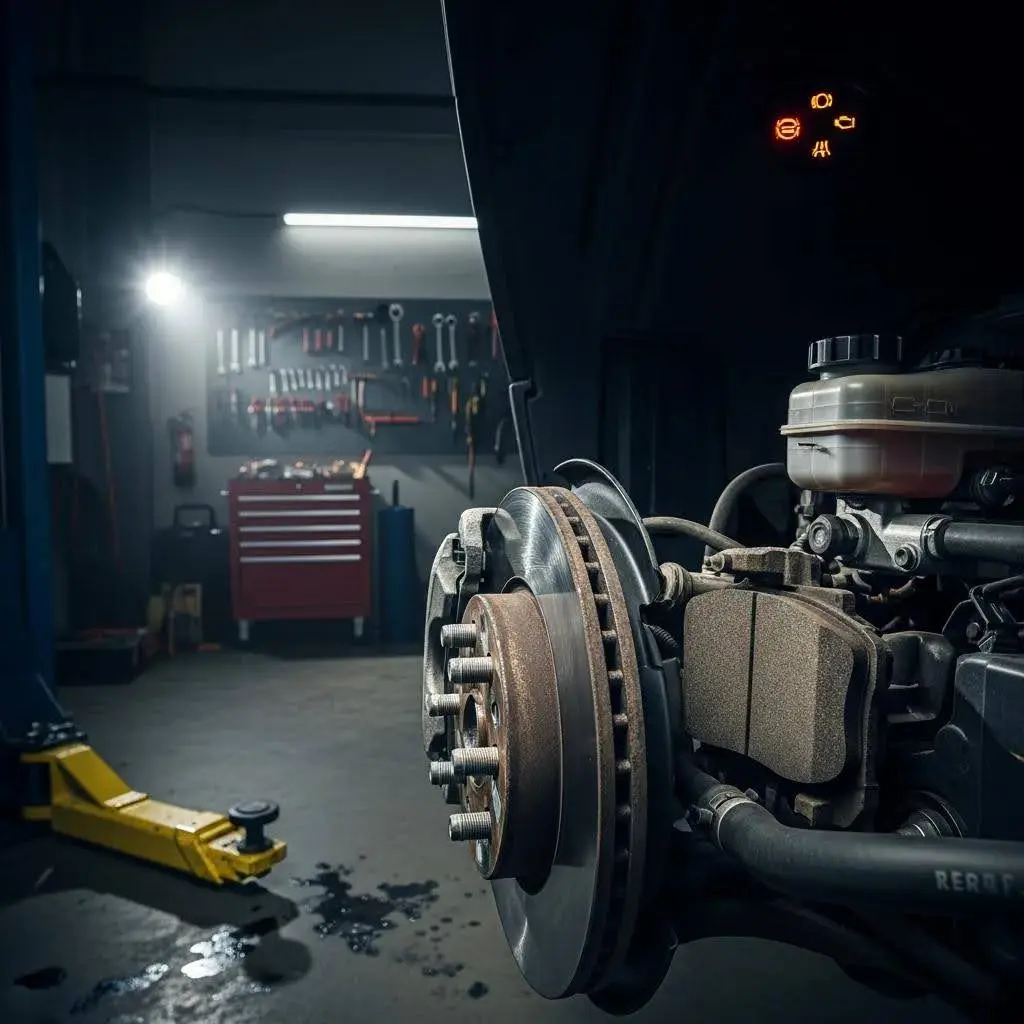
Brake system warning lights include the general brake warning, handbrake indicator, and ABS lamp. They can signal low hydraulic pressure, a parking brake issue, or faults in the anti-lock system. Any brake-related warning is a safety priority: braking performance is critical to avoid collisions and to pass your MOT.
Knowing the likely cause helps you decide whether you can drive a short distance or need immediate roadside assistance. Prompt servicing restores pedal feel and fixes issues that commonly cause MOT failures.
The table below links brake indicators to likely MOT impact, so you can judge urgency relative to the legal test.
| Indicator | Typical Fault | Potential MOT Impact |
|---|---|---|
| Brake warning light | Low fluid or reservoir leak | High, likely advisory or failure if a leak exists |
| ABS light | Wheel sensor or electrical fault | Medium, often advisory, but it affects safety systems |
| Handbrake indicator | Parking brake engaged or cable fault | Medium can cause failure if ineffective |
| Brake pad wear sensor | Worn pads | High, failure if pads are below the legal limit |
Typical Causes Of Brake Warning Lights
Common causes include low brake fluid from a leak, worn pads that trigger a sensor, failing wheel-speed sensors for the ABS, or hydraulic faults such as a master cylinder issue. You might notice a spongy pedal, reduced stopping power, grinding noises, or a brake change feel alongside the warning lamp.
Classic cars can have mechanical handbrake or cable faults not found on modern hydraulic systems and may need specialist attention. Spotting signs, fluid under the car, increased pedal travel, or unexpected ABS activation- tells you whether to stop driving and seek urgent help.
Timely inspection and maintenance keep braking performance reliable and help you stay MOT‑ready.
How Timely Brake Service Prevents Accidents And Motor Failures
Regular brake checks identify pad wear, contaminated fluid, and sensor faults before they become dangerous. Replacing pads, bleeding the system, and repairing leaks restores pedal feel and ABS performance, reducing stopping distances and MOT failures.
Book a brake check as soon as a warning light appears or you notice performance changes to avoid safety risks.
- Inspect pads, discs, and brake fluid regularly.
- Fix leaks and sensor faults promptly.
- Arrange a brake service immediately when a warning light appears.
Prompt service keeps you safe and prevents the higher costs of delayed repairs.
What Do Battery Warning Lights Mean And How Should You Address Them?
The battery/charging warning light usually points to a fault in the charging circuit rather than the battery alone. It can indicate alternator failure, a slipping or broken alternator belt, loose/corroded connections, or a problem in the vehicle’s battery management system.
Simple visual checks, terminals, and belt condition can help you determine whether it’s a quick fix or a deeper alternator/regulator issue that needs testing. Address charging faults quickly to avoid a breakdown and protect your vehicle’s electronics.
Reasons The Battery Light Can Turn On After Replacement
A battery light after fitting a new battery can happen if the alternator can’t detect or charge the new unit, the terminals are loose, the charging belt is slipping, or the ECU needs a relearn for the new battery parameters. Symptoms include persistent warning lights, unexpected discharge after short stops, or odd electrical behaviour.
Older cars with legacy charging systems may need bespoke adjustment after a modern battery swap. A voltage check and quick visual inspection of connections and the belt are sensible first steps; if the light stays on, you should have alternator and wiring diagnostics carried out.
If you see a persistent battery light after a battery replacement, test the terminal voltage and inspect the alternator belt before assuming the job is done.
How Local Diagnostic Services In Tonbridge Help With Battery Issues
Local workshops can run a battery load test, check alternator output, and inspect wiring to determine whether the problem is the battery, alternator, belt, or connections. These tests separate replaceable parts from more complex electrical faults.
A garage can also supply and fit a replacement battery or alternator and give clear, evidence‑based repair recommendations to avoid repeat visits.
Sovereign Motor Engineers offer battery replacement, charging‑system diagnostics, and workshop repairs alongside servicing and MOTs in Tonbridge. Call 01732 351439 to book a diagnostic if you have charging warnings.
- Battery and alternator tests help separate battery faults from charging issues.
- Workshops can replace parts and confirm repairs.
- Local garages speed up diagnosis and repair scheduling.
A focused diagnostic helps avoid unnecessary battery replacements and fixes the root cause efficiently.
Sovereign Motor Engineers, an independent garage in Tonbridge, provides car servicing, MOTs, general repairs, air‑conditioning regas, battery replacement, diagnostics, and specialist classic car work.
Our technicians use proven diagnostic methods and quality parts to deliver main‑dealer standards at a more competitive price. To book or enquire, call 01732 351439 or visit our workshop on Sovereign Way.
Frequently Asked Questions
What Should I Do If Multiple Warning Lights Illuminate At Once?
If several warning lights come on together, pull over safely and switch off the engine; it can signal a serious or cascading fault. Look for obvious signs such as fluid leaks, smoke, or unusual noises. Restart only if the car appears normal; if the lights persist, arrange a diagnostic check or recovery.
Don’t ignore multiple warnings; they can lead to expensive damage or a safety hazard.
How Often Should I Have My Vehicle’s Warning Lights Checked?
Have any warning lights checked as soon as they appear. Beyond that, regular maintenance checks, typically with every service or around every six months, depending on your driving, help spot issues early. If you notice performance changes or several lights activate, book a diagnostic appointment straight away to prevent a minor fault from becoming major.
Can I Drive My Car With The Check Engine Light On?
It depends. A steady check engine light usually indicates a non‑urgent fault, but it should be diagnosed promptly. A flashing check engine light signals a serious problem, such as an active misfire. Stop driving immediately and get the car checked. When in doubt, have a technician assess the vehicle to avoid further damage.
What Are The Risks Of Ignoring The Oil Pressure Warning Light?
Ignoring the oil pressure light risks severe engine damage: insufficient lubrication causes rapid wear, scoring, and can lead to engine seizure. If the oil pressure light comes on, stop safely, check the oil level, and call for professional help if topping up doesn’t clear the warning. Acting fast can save the engine and a large repair bill.