

Letting a car sit unused for weeks or months brings predictable mechanical and chemical issues, most of which are easy to prevent. This guide breaks storage into three clear timeframes: short (days to four weeks), medium (one to three months) and long (three months plus).
We map the common faults you’ll see in each period, battery discharge, tyre flat spots and fluid breakdown, and explain why they happen, and give practical steps you can take at home. There’s also advice for classic car storage and details of local services in Tonbridge, so you can decide whether to fit a battery maintainer, move the car regularly, or book a post-storage check.
How Long Can A Car Sit Before Problems Start?
When a car stands idle, its systems decline through chemical change, continuous mechanical load and electrical self-discharge, and these processes tend to show up at particular intervals. Short-term parking usually causes a small electrical drain and a drop in tyre pressure. After a month or two, batteries weaken and flat spots can begin to form on the tyres.
Over longer periods you’ll see fuel varnish, moisture in the brake fluid and corrosion. The comparison table below links typical timeframes to likely faults and sensible next steps. Understanding this timeline helps you focus on simple checks and decide when professional recommissioning is the safer option.
| Timeframe | Affected Components | Typical Issues | Recommended Action |
|---|---|---|---|
| Days–4 weeks | Battery, tyres | Minor self-discharge, gradual tyre pressure loss | Check battery voltage and tyre pressures; start and move the car at least once a week |
| 1–3 months | Battery, tyres, fuel | Deeper discharge, developing flat spots, early fuel oxidation | Use a battery maintainer; top up tyre pressures and move the car; consider a fuel stabiliser for longer storage periods |
| 3+ months | Fuel system, brakes, exposed metal | Fuel varnish, moisture in brake fluid, surface rust on exposed metal | Book a professional recommissioning and a full fluid inspection |
The table shows how inactivity escalates from electrical issues to mechanical and chemical faults. If your car has been stationary for a month or more, arranging a professional check is a sensible way to avoid worsening faults and unexpected repair costs.

Risks of Short-Term and Long-Term Inactivity
Short gaps off the road generally mean lost battery voltage and slightly lower tyre pressures, both reversible with a proper restart and a short drive. Over medium-length periods parasitic electrical draws and natural self-discharge can leave a battery flat, and tyres can develop flat spots or harden.
Longer-term neglect raises the chance of fuel breakdown, moisture in the brake system that reduces stopping performance, and corrosion affecting bodywork and linkages. Regular, simple checks are the most cost-effective prevention, and professional advice is wise if the car’s been idle beyond a month.
Effects of Inactivity on Battery, Tyres, and Fluids
Batteries self-discharge through chemical reactions that speed up in higher temperatures and under parasitic electrical loads, so a parked car loses starting capacity over weeks, not hours. Tyres sitting under load can deform where the contact patch flattens; whether this is temporary or permanent depends on compound age and ambient temperature.
Engine oil left in the sump slowly oxidises and loses protective additives, while fuel can pick up moisture and form gums that clog injectors or carburettors. Knowing how these processes work makes it clear why simple home care plus scheduled professional servicing helps keep a stored vehicle reliable.
How Can You Prevent Battery Drain While A Car Is Parked?
Protecting a parked car’s battery means reducing self-discharge, eliminating parasitic draws and keeping the battery topped up when necessary. A battery maintainer, disconnecting the negative terminal or running the engine occasionally will all help, but regular driving is not a reliable substitute for a proper maintainer.
The short table below summarises common battery-care options so you can pick the most suitable solution for everyday cars, long-term storage and classic vehicles with sensitive electrical systems.
| Battery Care Option | Characteristic | Best Use |
|---|---|---|
| Battery maintainer (smart charger) | Maintains charge at the correct level without risk of overcharging | Best for long-term storage and classic cars |
| Trickle charger | Continuous low-rate charge (an older approach) | Short-term parking when a smart maintainer isn’t available |
| Battery disconnect | Stops parasitic drain from the vehicle’s systems | Useful for medium-term storage where alarms and memory can be temporarily switched off |
| Periodic driving | Restores charge via the alternator | Only reliable for short gaps between uses |
A smart battery maintainer is usually the best long-term choice because it maintains charge automatically and is safe with modern electronics. If you’d rather be sure, SME Engineers in Tonbridge can test battery health and replace units before recommissioning.
Causes of Battery Drain and How Long It Takes
Small parasitic draws from alarms, clocks and electronics can discharge a typical battery in two to four weeks if left unchecked. Natural self-discharge and heat-driven chemical degradation make batteries lose capacity faster in warm weather, and older batteries with higher internal resistance will fail earlier.
Signs include slow cranking, dim interior lights and dashboard warnings when you try to start the car. A simple voltage check with a multimeter shows whether a maintainer or a replacement is required.
Best Battery Maintenance Options for Long Inactivity
Your choice depends on the length of storage, the vehicle’s electronics and convenience. A smart maintainer is safe for long-term use; disconnecting the negative terminal prevents drain but can erase settings and immobiliser codes.
Short drives help but don’t fully restore an ageing battery’s health, so for months-long storage a maintainer or professional testing is the better option. For Tonbridge customers, SME’s battery-health inspections and replacements offer a local, dependable route back to the road.
How Do You Prevent Tyre Flat Spots And Other Tyre Damage During Storage?
Flat spots develop where a tyre remains under static load without flexing; prevention is about spreading the load and keeping pressures at the right level. Inflate tyres to the manufacturer’s recommendation, move the car periodically and use support stands or axle stands for very long-term storage to remove weight from the tyres.
The list below summarises straightforward tyre-preservation steps suitable for everyday and classic cars.
- Check and set tyre pressures: Inflate tyres to the recommended pressure before storage and re-check weekly if you can.
- Move the car periodically: Roll the vehicle a short distance to change the contact patch and reduce static load.
- Use supports for long storage: Jack stands or axle supports take weight off the tyres and prevent permanent flat spots.
Keeping tyre pressures correct and moving the car occasionally cuts the risk of flat spots and keeps handling predictable.
After storage, have a professional tyre inspection to confirm safety and fit replacements if there’s tread or sidewall damage. SME Engineers in Tonbridge can carry out tyre checks and replacements for daily drivers and classic cars alike.
Why Tyre Flat Spots Happen and How Fast They Form
Flat-spotting is a mechanical issue: rubber and carcass material deform under sustained load and may not fully spring back if the tyre is old or conditions are cold. In extreme cold or with very low pressure, flat spots can appear within days; more commonly semi-permanent flat spots form over weeks to months without movement.
Temperature swings, humidity and tyre condition all influence how fast and how severe the damage will be. Regular checks and moving the car are the simplest, most effective defenses.
Best Practices for Keeping Tyres Healthy in Storage
The best approach combines correct inflation, sensible load management and routine inspections. Keep tyres at the manufacturer’s recommended pressure, avoid parking on soft or abrasive surfaces, and for month-long storage consider lifting the vehicle on stands or using boards under contact patches.
When you return the car to service, check for sidewall cracks, tread degradation and uneven wear and replace tyres if needed rather than risk reduced grip. For local help, a post-storage tyre check by SME Engineers will confirm legal and safety standards are met.
What Fluid Maintenance Does A Parked Car Need?
Fluids continue to change even when a car is stationary: condensation, oxidation and separation can occur unless fluids are stabilised or renewed. Engine oil slowly oxidises, brake fluid absorbs moisture and reduces its effective boiling point, and petrol or diesel can varnish and gum up fuel systems.
The table below outlines how each fluid degrades and the inspection or action to consider after periods of inactivity.
| Fluid | How It Degrades | Recommended Inspection/Action |
|---|---|---|
| Engine oil | Oxidation and acid formation | Change or analyse the oil if the car has been stored >3 months |
| Brake fluid | Absorbs moisture; corrodes internal brake lines | Replace if moisture is present or after a long storage period |
| Fuel | Oxidises and forms varnish | Use a stabiliser for long storage; drain or filter the fuel before returning the vehicle to use |
| Coolant | Corrosion inhibitors deplete | Test coolant concentration and top up or replace as needed |
Checking fluids before you drive a stored vehicle reduces the risk of mechanical failure and costly repairs. A post-storage fluid inspection with targeted top-ups or flushes restores safe operation without unnecessary extras.
How Engine Oil, Brake Fluid, and Fuel Degrade During Storage
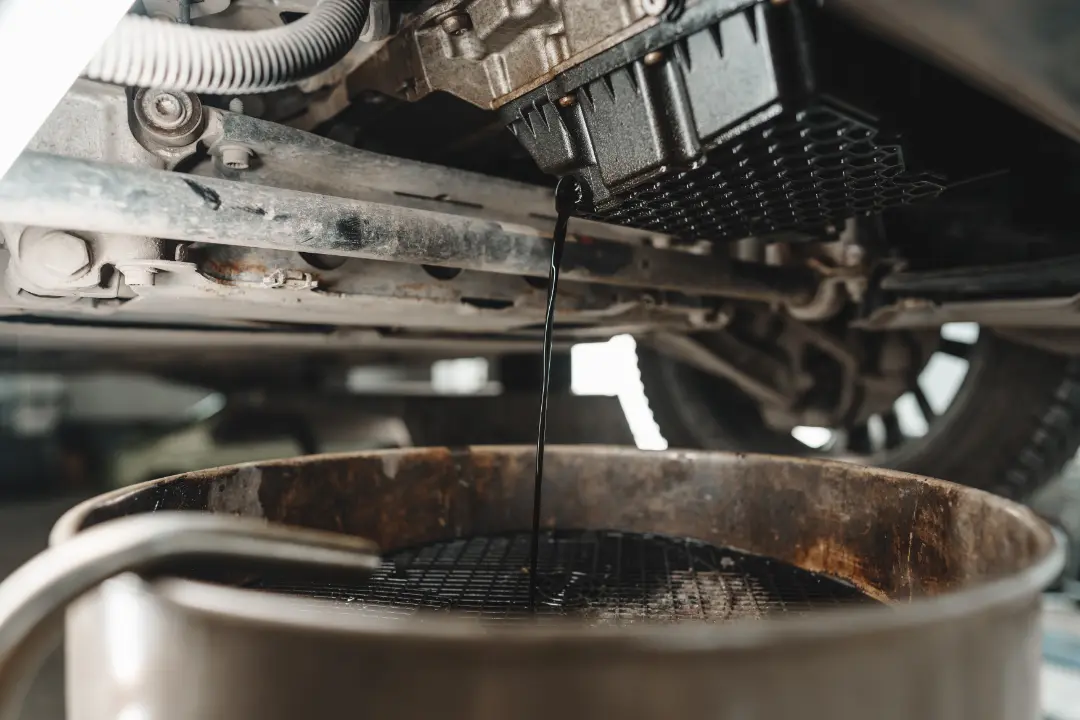
Engine oil exposed in the sump oxidises over time and builds acidic by-products that lessen lubrication quality and increase wear when you restart the engine after long periods. Brake fluid is hygroscopic and draws moisture from the air even when parked, dropping its boiling point and promoting internal corrosion in calipers and lines.
Fuel oxidises and can separate, leaving varnish or gums that block injectors and carburettors, a particular risk for older classic fuel systems. Knowing these chemical pathways is why a visual check and, where appropriate, professional fluid analysis are sensible before recommissioning.
When to Book Fluid Checks and Changes After Inactivity
To restore safe performance after storage, follow a simple schedule of inspections and services.
- Inspect fluids: Check levels and basic condition before you start regular use again.
- Schedule professional tests: Have brake fluid and fuel quality tested if the car has been stationary >3 months.
- Combine services: Pair a post-storage inspection with oil and brake-fluid service to reduce repeat visits.
These steps lower the risk of engine wear, fuel delivery problems and brake issues after storage and help get daily drivers and cherished classics back on the road reliably.
Frequently asked questions
What Should I Do If My Car Has Been Sitting For An Extended Period?
If your car has been stationary for a while, don’t just jump back in and drive. Start with a basic inspection: check battery voltage, tyre pressures and fluid levels, and look for leaks or visible corrosion around the fuel system and brake lines. If it’s been idle for more than three months, we recommend a professional inspection to identify and address anything that needs attention before you return to normal use.
How Can I Prepare My Car For Long-Term Storage?
Preparing a car for long-term storage is straightforward: clean it inside and out to prevent corrosion, change the oil and top up fluids, and set tyre pressures to the manufacturer’s recommendation. Fit a battery maintainer to keep the battery healthy and use a breathable cover to protect it from dust and moisture while still allowing air to circulate.
Is A Fuel Stabiliser Necessary For Long-Term Storage?
Yes, a fuel stabiliser is a simple, effective precaution for long storage. Fuel can oxidise and form varnish in as little as a month; a stabiliser keeps the fuel fresh and reduces the risk of clogged lines and injectors. If the car will be parked for over three months, add a stabiliser before storage.
How Do I Know If My Car Battery Needs Replacing?
Signs a battery is failing include slow engine cranking, dim headlights and dashboard warning lights. A healthy, fully charged battery should read around 12.6 volts with the engine off. If the voltage is noticeably lower or the battery is over three years old, consider testing and replacing it to avoid being stranded.
Book a Post-Storage Check in Tonbridge
A car can sit for a few weeks with minimal risk, but after a month, the battery, tyres, and fluids start causing real problems. If it’s been parked for a month or more, do basic checks first and consider a professional inspection to avoid breakdowns and costly repairs.Car been sitting? Book a quick car servicing check with SME Engineers in Tonbridge for battery testing, tyre inspection, and a fluid check, so you can drive away safely with no surprises.