

Improving fuel efficiency matters, especially when rising fuel costs hit household budgets. Here are some practical tips for Tonbridge drivers to boost MPG through smarter driving habits and proper vehicle maintenance.
It covers eco-driving techniques, simple checks that improve economy, and extra advice for classic car owners. You’ll also learn how local services in Tonbridge can help with fuel-efficiency checks, fault diagnosis, and repairs that may reduce fuel waste and keep your car running smoothly.

What Are The Most Effective Eco Driving Techniques To Save Fuel?

Eco-driving techniques are practical strategies that can help drivers save fuel and reduce emissions. These methods focus on optimizing driving behaviour to enhance fuel efficiency. By adopting these techniques, drivers can often lower their fuel consumption and costs.
Smooth Driving Habits That Cut Fuel Use
- Smooth acceleration and braking are fundamental eco-driving techniques that can lead to meaningful fuel savings.
- When drivers accelerate gradually and brake gently, they avoid unnecessary speed changes and reduce wasted energy.
- This approach reduces the strain on the engine and improves overall fuel efficiency.
- Rapid acceleration can increase fuel consumption, while smooth driving can enhance mileage noticeably.
Steady-Speed Driving And Fuel Efficiency
- Maintaining a steady speed is crucial for optimal fuel economy.
- Vehicles often use less fuel when travelling at a constant speed, particularly on highways.
- Many cars are often most efficient at moderate, steady speeds, commonly around 50–60 mph, depending on the vehicle and conditions.
- Utilising cruise control can help maintain a steady speed on clear, steady roads.
- This can reduce unnecessary acceleration and braking and may improve fuel efficiency.
Which Car Maintenance Practices Boost Fuel Efficiency?
Regular maintenance is essential for helping your vehicle operate efficiently. Several key practices can help enhance fuel efficiency, including engine tuning, tyre pressure maintenance, and timely oil changes.
Engine Tuning And Mileage Improvements
Regular engine checks and diagnostics are vital for maintaining optimal vehicle performance. This process involves checking components such as spark plugs and the fuel system to confirm they are functioning correctly. Neglecting engine maintenance can result in a noticeable drop in fuel efficiency.
Reducing Fuel Use With Proper Tyre Pressure
Proper tyre pressure is critical for fuel efficiency. Under-inflated tyres increase rolling resistance, causing the engine to work harder and consume more fuel. Maintaining the recommended tyre pressure can improve fuel economy by around 3%.
Regularly checking tyre pressure and keeping tyres inflated to the manufacturer’s specifications is a simple way to enhance fuel efficiency.
How Can Classic Car Owners Optimize Fuel Efficiency?
Classic car owners face unique challenges when it comes to fuel efficiency. However, there are specific strategies they can employ to improve their vehicles’ performance and reduce fuel consumption.
Servicing A Classic Car To Reduce Fuel Use
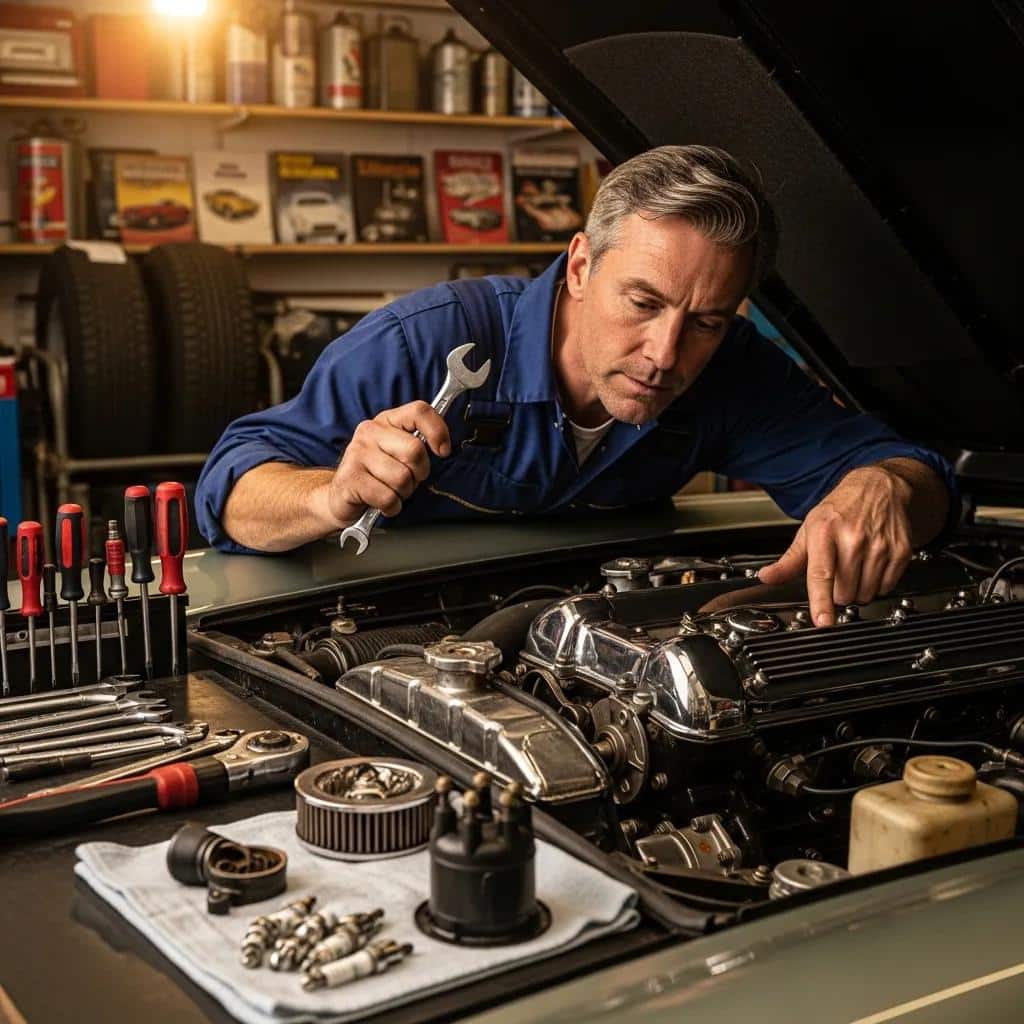
Classic cars often require specialised servicing to maintain their performance and fuel efficiency. Regular inspections and servicing of the engine, fuel system, and exhaust can help identify issues that may affect fuel economy. Using the correct fuel for your engine and addressing rust and corrosion can support overall efficiency.
Benefits Of Fuel-Saving Devices In Classic Vehicles
Fuel-saving products, such as some fuel additives, can provide limited benefits for certain classic vehicles. These devices are designed to optimise fuel combustion and improve engine performance, potentially leading to better fuel efficiency.
However, the effectiveness of such devices can vary widely, and some may have a limited impact. While some products require an initial cost, any fuel savings are uncertain. If you try one, choose carefully and track the MPG over a few tanks.
Where Can Tonbridge Drivers Book Reliable Servicing And Mots To Support Fuel Savings?
For Tonbridge drivers looking to improve their vehicle’s fuel efficiency, booking reliable servicing and MOTs can help. Regular maintenance checks can help identify potential issues that may affect fuel economy.
Local Fuel Efficiency Checks And Repair Services
Some local services in Tonbridge offer fuel-efficiency checks and repairs. These services may include vehicle inspections, engine diagnostics, and tyre pressure checks. By choosing a reputable service provider, drivers can help keep their vehicles operating efficiently.
Mot Testing And Fuel Efficiency
MOT testing plays a crucial role in maintaining vehicle safety and checking emissions-related standards. During an MOT, various aspects of the vehicle are assessed, including emissions and key safety items like lights, brakes, tyres, and steering.
Keeping your vehicle in good condition for its MOT can help reduce the risk of surprise repairs later. It may also support better fuel economy by addressing issues like emissions faults or under-inflated tyres.
How Can Sm Engineers Help Improve Your MPG?
At SM Engineers, we can help Tonbridge drivers investigate fuel economy issues with practical checks. If your MPG drops, we can inspect tyre pressures, check for drag-causing issues, and run engine diagnostics.
We can also diagnose faults that may cause the car to use more fuel than normal. We also work with classic owners and provide servicing based on the vehicle’s condition and specification. The aim is simple: smoother running and reduced fuel waste where possible.
What’s The Best Next Step Today?
Start with the easy wins: drive smoothly, keep a steady speed, and avoid unnecessary idling. Stay on top of maintenance like tyre pressure, clean filters, and timely servicing because small issues quietly drain MPG.
If fuel economy still feels off, get it checked before it becomes a bigger repair. A quick inspection can uncover hidden causes like misfires, sensor faults, or under-inflation. For advice and repairs, SM Engineers can help.
Frequently Asked Questions
How Can Driving Habits Impact Fuel Efficiency?
Driving habits play a crucial role in fuel efficiency. Aggressive driving, characterised by rapid acceleration and hard braking, can lead to increased fuel consumption. Conversely, adopting smooth driving techniques, such as gradual acceleration and maintaining a steady speed, can enhance fuel economy.
What Is The Impact Of Weight On Fuel Efficiency?
The weight of a vehicle directly affects its fuel efficiency. Heavier vehicles require more energy to accelerate and maintain speed, leading to increased fuel consumption. Removing unnecessary items from the car, such as heavy tools or equipment, can help improve fuel economy.
How Does Driving At Different Speeds Affect Fuel Consumption?
Driving speed strongly affects fuel use. Most cars are often most efficient at moderate speeds, commonly around 50–60 mph, depending on the vehicle. Going faster increases aerodynamic drag, so the engine works harder and burns more fuel. Driving much slower can also reduce efficiency in some situations.
What Role Does Air Conditioning Play In Fuel Efficiency?
Air conditioning can lower fuel efficiency because it adds a load to the engine. Use the ventilation system when you can, especially at lower speeds. At higher speeds, A/C is often more efficient than open windows, which increases drag.