

A car breakdown can be stressful and dangerous, especially on busy roads. Knowing what to do immediately protects you, your passengers, and other drivers. We share practical roadside safety tips and a simple breakdown checklist for Tonbridge motorists.
You’ll learn how to secure the scene, stay visible, and call for help the right way. We also cover what to keep in your emergency kit and the key actions to take until assistance arrives, and avoid common mistakes in traffic.
What Are The Essential Roadside Safety Steps After A Car Breaks Down?
When a car breaks down, the priority is ensuring the safety of all passengers and other road users. This involves several critical steps that can help prevent accidents and injuries.
Roadside Security And Personal Safety
- Try to steer your car to a safe spot away from moving traffic, if possible.
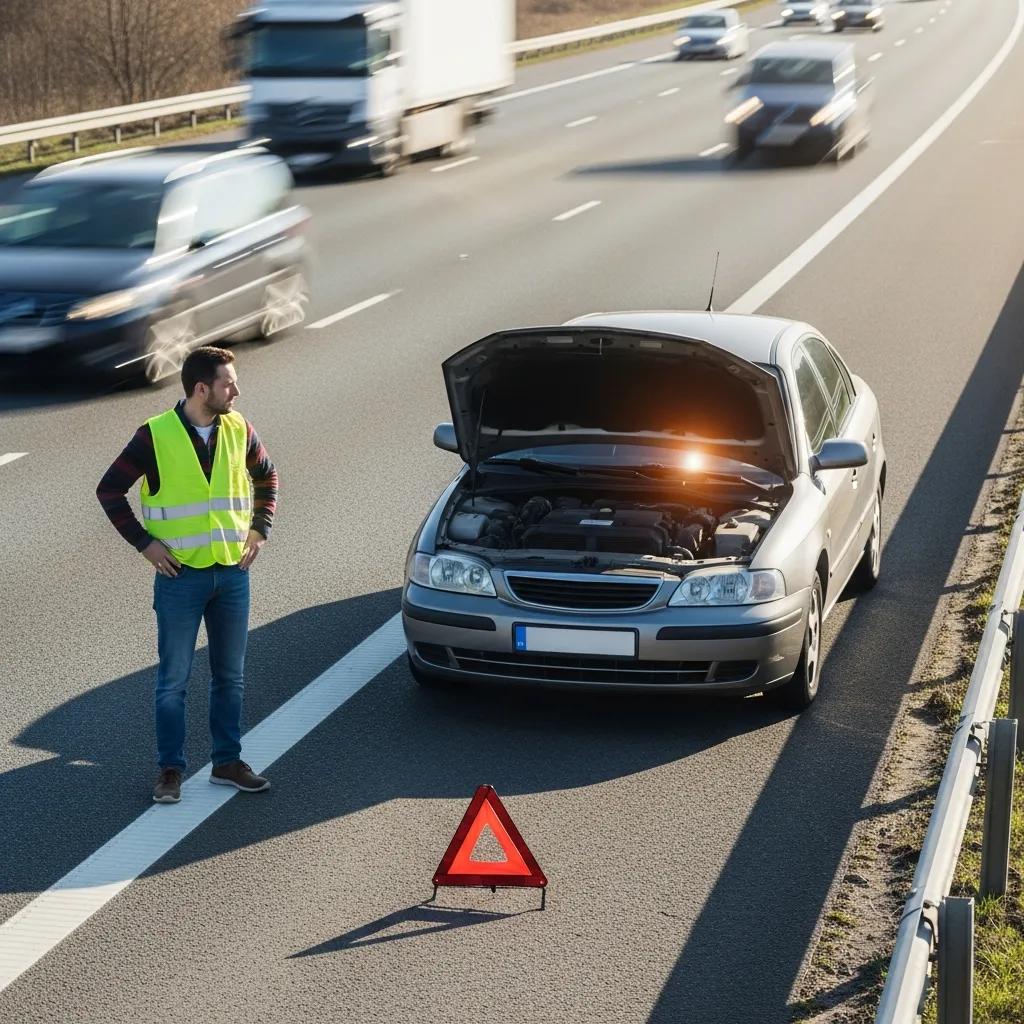
- Switch on your hazard lights immediately to warn other drivers.
- If the vehicle can’t be moved, assess the risk before doing anything else.
- If it’s unsafe to stay inside, exit the car carefully and calmly.
- Move to a safe area away from traffic, ideally behind a barrier.
- Keep well clear of the road and any passing vehicles.
- If you remain in the car, keep your seatbelt fastened at all times.
- Stay alert to your surroundings while you wait for assistance.
- Only return to the vehicle when it’s clearly safe to do so.
Use Essential Emergency Signals And Warning Devices
- Use warning devices to make your vehicle visible and reduce the risk of a secondary collision.
- Keep your hazard lights on while you wait, so approaching drivers can see you.
- If you carry a warning triangle, use it only on non-motorway roads and place it well behind your vehicle where it’s safe to do so.
- Do not place a warning triangle on motorways or put yourself at risk by walking along the carriageway.
- Wear a high-visibility vest if you need to be outside the vehicle, especially in poor light or bad weather.
- If you have a flashing light/beacon, use it to improve visibility if it won’t distract other drivers.
What Should You Include In A Breakdown Safety Checklist For Tonbridge Drivers?
Having a well-prepared breakdown safety checklist can make a significant difference in how you handle a breakdown. This checklist should include essential items that can assist you in various situations.
Vital Emergency Kit Items For Immediate Safety
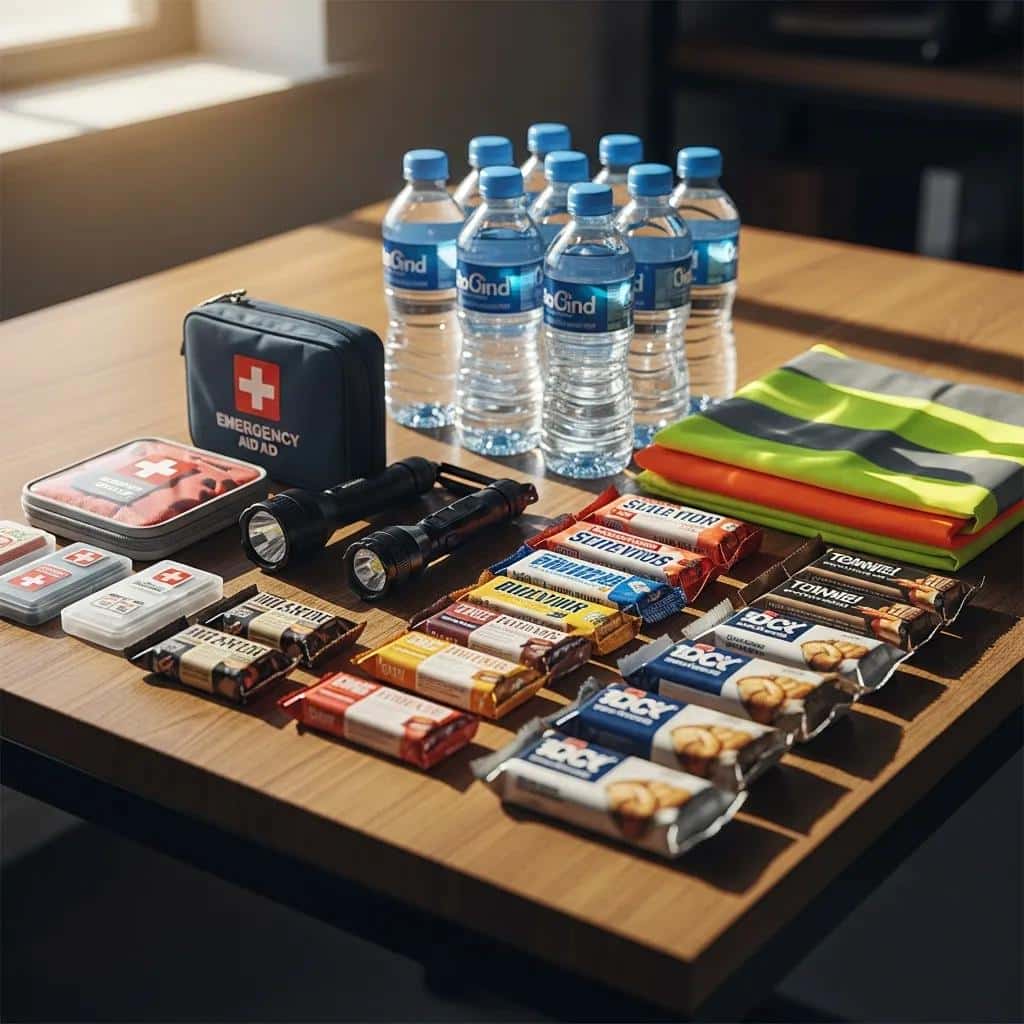
An effective emergency kit should contain the following items:
- First aid kit: Carry a basic kit with plasters, sterile wipes, bandages, and antiseptic. It helps you deal with minor cuts, blisters, or small burns while you’re waiting for help. Check expiry dates and restock anything you’ve used.
- Torch (flashlight): Keep a reliable torch to check a flat tyre, read warning lights, or find items in the boot at night. A small LED torch is ideal, and it’s smart to keep spare batteries or use a rechargeable one.
- Water and snacks: Store a few bottles of water and shelf-stable snacks like energy bars or nuts. This matters if you’re stuck in traffic, waiting a long time for recovery, or dealing with hot/cold weather. Replace items regularly to keep them fresh.
- High-visibility vest: A hi-vis vest makes you much easier to see if you need to step outside the car. Keep it within reach (glovebox or door pocket), not buried in the boot, so you can put it on before exiting.
- Warning triangle: Useful on many roads to warn approaching drivers, but don’t place it on a motorway because it can put you in danger. Keep it easy to grab and use it only where it’s safe and appropriate.
Preparing A Classic Car Breakdown Kit
Classic car owners should consider unique items for their breakdown kits, including:
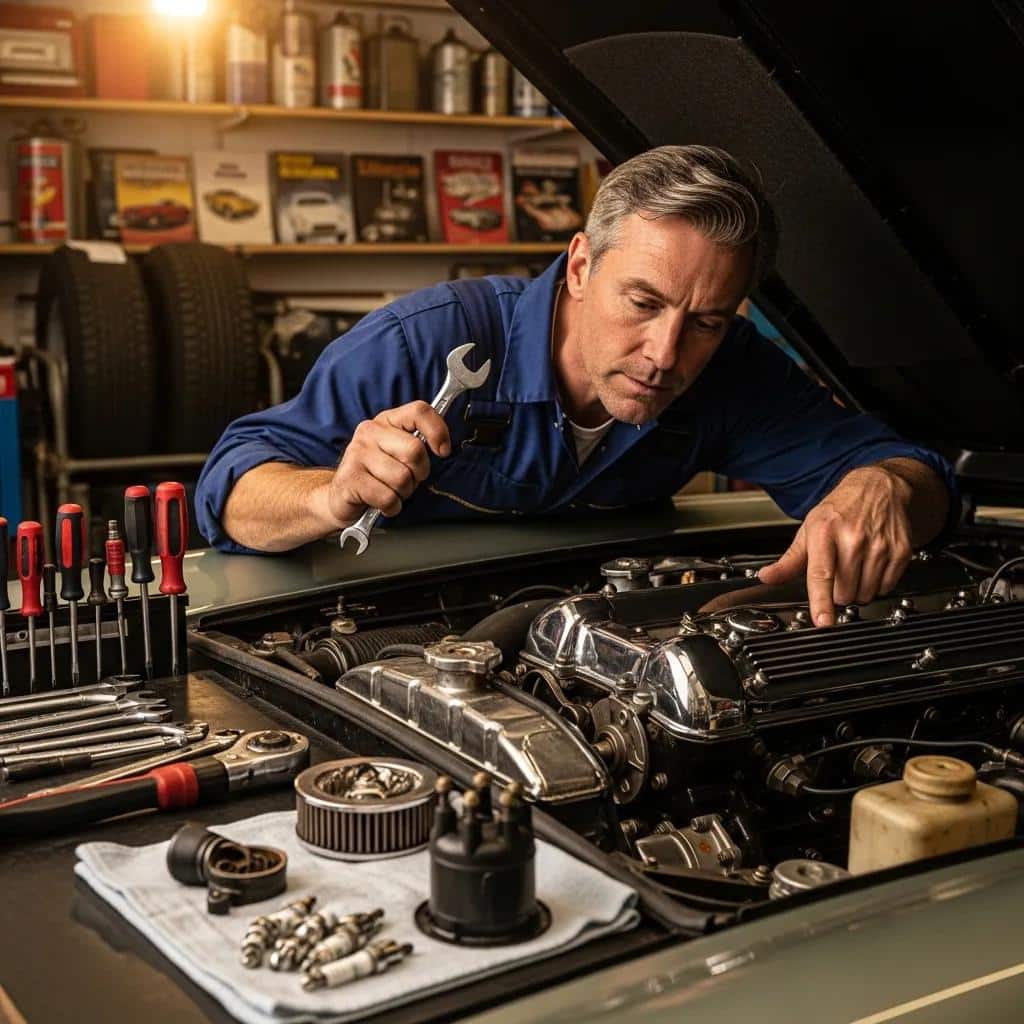
1- Specific tools: Keep a small kit suited to older cars: spanners/wrenches (metric or imperial), screwdrivers, pliers, an adjustable wrench, and a basic socket set. store it in a pouch so it’s easy to grab.
2- Maintenance supplies: Carry small top-ups you might need, like the correct engine oil and screenwash, plus a funnel, gloves, and a few basics like cable ties and tape for minor, safe fixes off the road.
3- Specialist contacts: Save numbers for a classic car mechanic and a recovery service that handles older vehicles properly. Keep details on your phone and a written copy in the car.
What Are The Step-By-Step Actions To Take Immediately After A Breakdown?
After ensuring your safety, it is important to take specific actions to address the breakdown effectively.
Assessing The Situation And Calling For Help
Begin by assessing the situation. Check for any injuries among passengers and evaluate the condition of your vehicle. If it is safe to do so, use your mobile phone to call for roadside assistance or emergency services. Provide them with your exact location and a description of the issue to expedite help.
Booking Local Car Servicing And Mot In Tonbridge
Once you have contacted assistance, you may need to arrange for local car servicing or an mot. Research local garages in Tonbridge that work on your vehicle’s make and model. Understanding MOT requirements and booking appointments in advance can save time and help keep your vehicle in a roadworthy condition.
How Can Classic Car Owners Manage Breakdowns Safely In Tonbridge?
Classic car owners face unique challenges during breakdowns, requiring specific strategies to improve safety and effective management.
Classic Car Breakdown Precautions
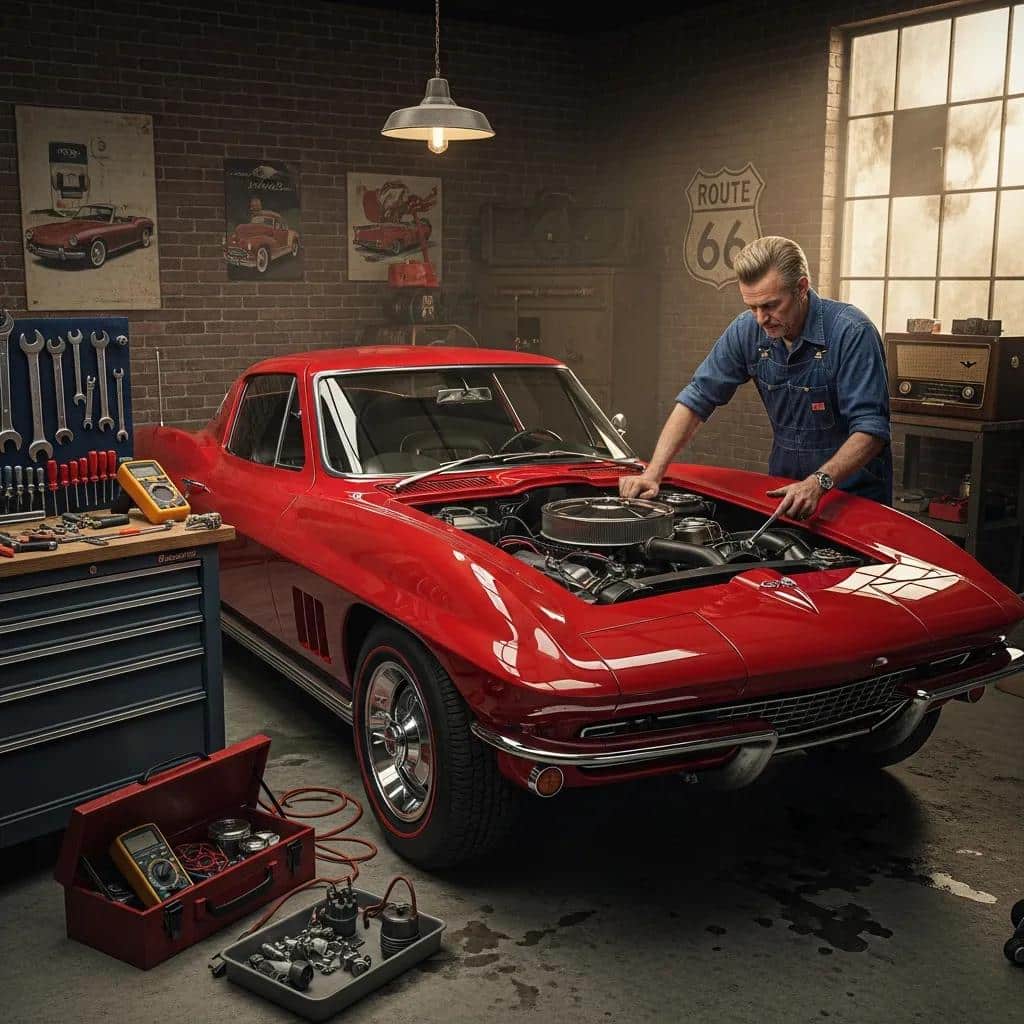
Classic cars often require original parts and specialised knowledge for repairs. Try to have access to original parts and consider the expertise of mechanics who are familiar with classic vehicles. Check your insurance policy to confirm coverage for breakdowns.
Choosing A Local Classic Car Repair Specialist
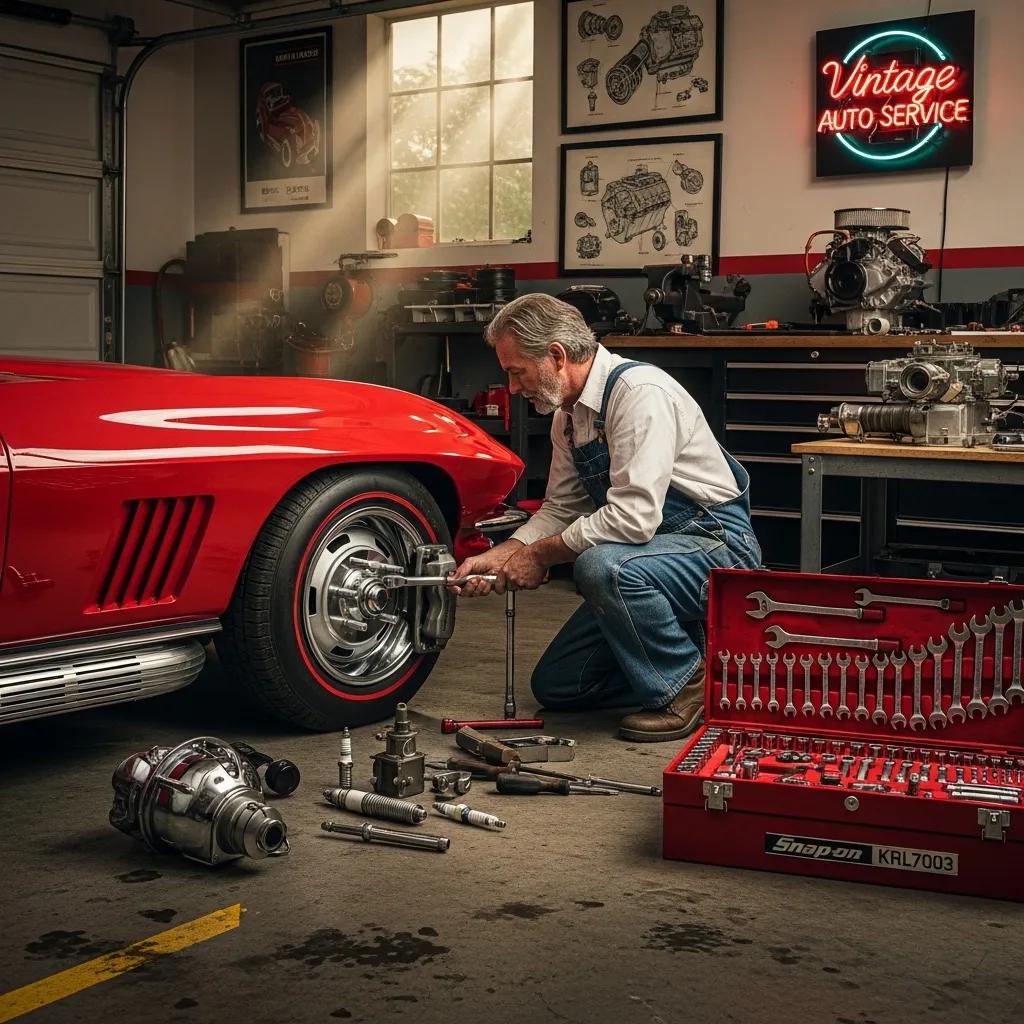
In Tonbridge, some garages offer classic car repairs. utilise online resources and community recommendations to find reputable services. Engaging with local classic car clubs can also provide valuable contacts and support during breakdowns.
Why Tonbridge Drivers Choose SM Engineers?
At SM Engineers, we support Tonbridge drivers with mots, servicing, and repairs. If a breakdown leaves you unsure what to do next, we can inspect the vehicle and advise on the next repair steps once it’s safely recovered.
From routine maintenance to inspections and repairs, our focus is on helping you stay road-ready. We support both daily drivers and classic cars.
What Should You Remember Before You Drive?
Breakdowns are stressful, but the right steps reduce danger fast. Get your vehicle to a safe position, switch on hazards, and keep yourself protected behind a barrier or belted in if staying inside. Use warning gear smartly, and avoid risky actions on motorways.
A stocked emergency kit and regular servicing make a real difference. When you need reliable local car service support, at SM Engineers, we can help diagnose the issue and carry out the repairs needed to get you back on the road.
Frequently Asked Questions
What Should I Do If My Car Breaks Down On A Motorway?
If your car breaks down on a motorway, prioritise safety. Move to the hard shoulder if you can, switch on hazards, and get out only if it’s safe. Wait behind the barrier, away from traffic, then call roadside assistance with your exact location. Only stop on a motorway in an emergency, and follow the correct steps to stay safe.
How Can I Prevent A Breakdown From Happening?
Prevent breakdowns with regular maintenance. Check oil, coolant, and tyre pressure often, and keep up with routine servicing to catch issues early. Try to keep your fuel tank at least a quarter full. Roadside assistance is also worth it for peace of mind if something still goes wrong.
What Are The Legal Requirements For Warning Devices In The Uk?
In the uk, carrying a warning triangle isn’t compulsory, but it’s recommended. If you carry one, keep it accessible and in good condition, but don’t use it on motorways. A high-visibility vest isn’t legally required either, but it’s a smart safety add-on if you ever need to leave the vehicle.
How Can I Ensure My Classic Car Is Ready For A Long Journey?
To prepare your classic car for a long journey, conduct a thorough pre-trip inspection. Check the engine oil, coolant levels, and tyre condition. Make sure that all lights and indicators are functioning properly. It’s also wise to carry spare parts and tools specific to your vehicle model.