
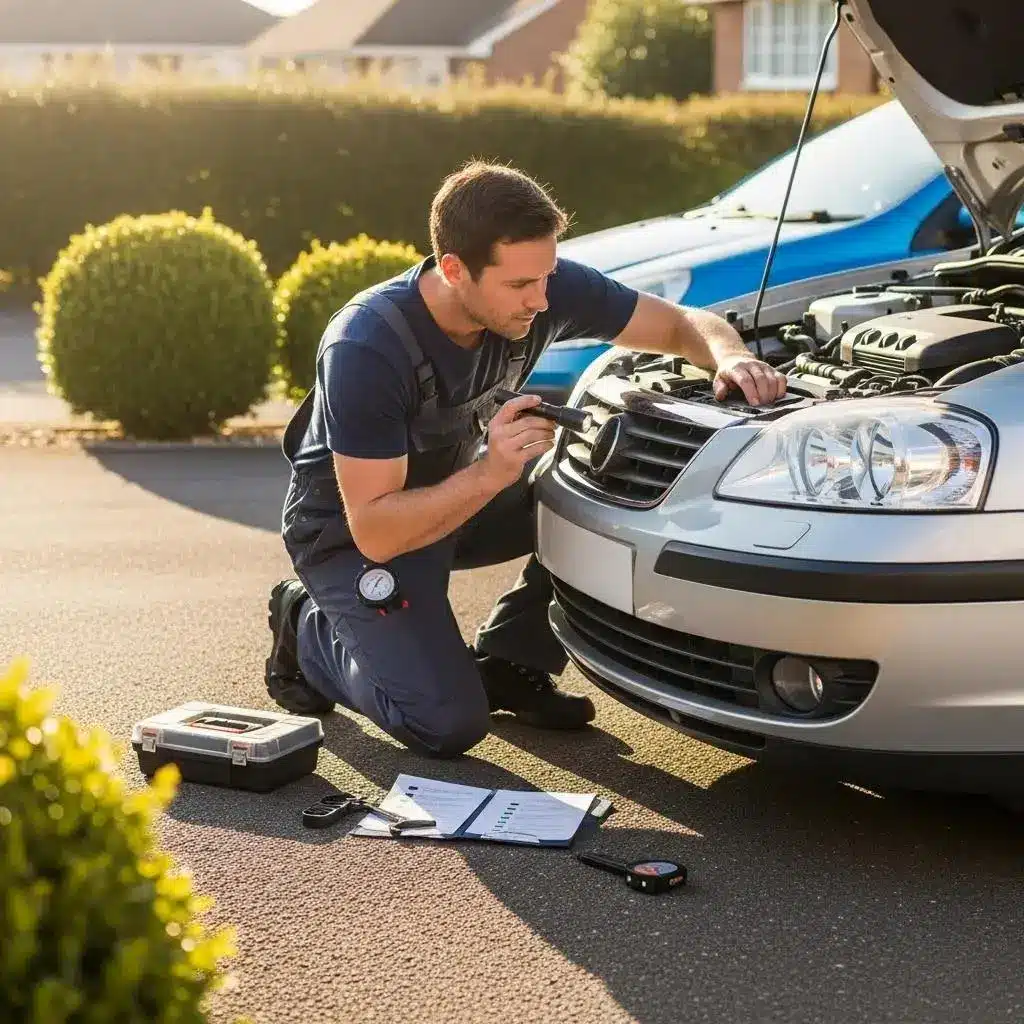

A car diagnostic check is a structured inspection of your vehicle’s electronic and mechanical systems using its onboard diagnostics. It helps us quickly pinpoint faults, confirm sensor readings, and decide what genuinely needs repairing instead of guessing.
In this guide, we walk you through what happens at a typical diagnostic visit, from your initial symptom discussion and OBD-II scan to fault-code interpretation, extra system tests, and post-repair checks, so you know exactly what to expect when you book a diagnostic check with Sovereign Motor Engineers in Tonbridge.
How Does The Car Diagnostic Process Begin?
A diagnostic session starts with a clear record of the vehicle’s symptoms, a quick safety check, and a preliminary electronic scan to capture any active or stored fault codes. That combination creates a working hypothesis and flags immediate safety issues, for example, battery or charging faults that would affect the scan.
Taking an accurate history and running basic safety checks helps us find the root cause faster and reduces the chance of a misdiagnosis. Usually, the next step is to connect an OBD-II scanner to retrieve codes and live data, which helps us prioritise further tests and inspections.
You can book a diagnostic check with us at Sovereign Motor Engineers in Tonbridge. We specialise in diagnostics, provide clear, upfront pricing, and explain findings before any repair work begins, ideal if you want a technician-led, in-person assessment.
Initial Assessment Of Vehicle Symptoms
We begin by asking focused questions about the symptoms: when they happen, how often, and any recent work or changes. We log dashboard warnings such as the check engine light, note whether the issue is constant or intermittent, and describe the driving conditions that trigger it.
A quick checklist checks battery condition, fluid levels, visible leaks, and obvious wiring or connectors to rule out simple causes. This symptom-first approach narrows the likely systems involved and shapes the initial diagnostic plan before we run the electronic scan.
Connecting The OBD-II Scanner To The Vehicle
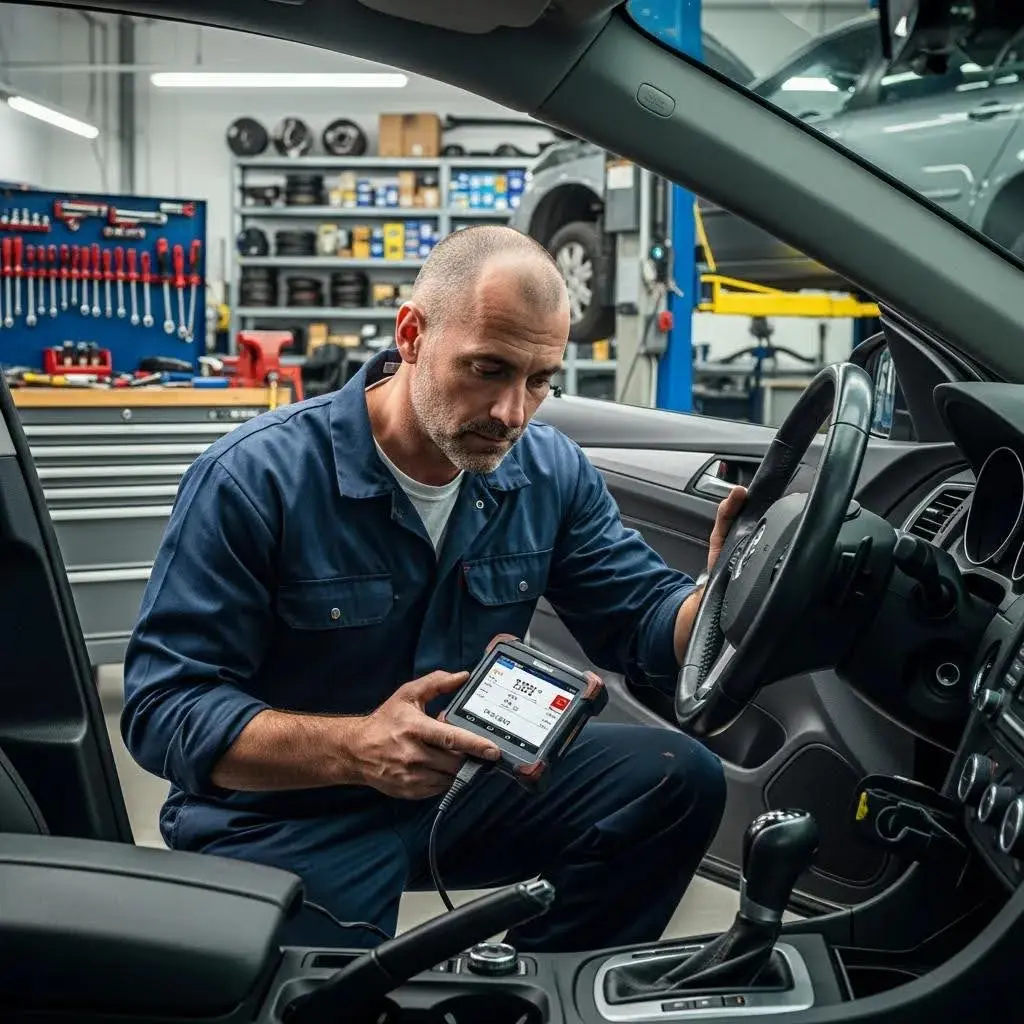
The OBD‑II port is usually under the dashboard near the steering column. We power the scanner, establish communication with the ECU, and capture stored codes and live sensor data.
Steps include ensuring a stable battery supply, recording transient errors before clearing them, and enabling live-data streaming for parameters like engine RPM, fuel trim, and sensor voltages.
For older or classic cars without a standard OBD‑II port, we may use manufacturer-specific tools or perform more hands-on testing. A safe connection and reliable live data are essential before detailed interpretation and component checks.
What Are The Key Steps In Reading And Interpreting Fault Codes?
Fault codes give us a structured starting point, but they rarely tell the whole story. A code flags a system or parameter outside expected limits; interpreting it requires context, live-data checks, and targeted component tests to confirm the true cause.
We use freeze-frame data and real-time sensor values to decide whether the fault is electrical, mechanical, or intermittent.
The aim is to turn DTCs into a verified repair path and avoid replace-and-see fixes. Below are the key steps technicians typically follow when working from fault codes.
- Retrieve and Log Codes: Record stored and pending DTCs and save any freeze‑frame data showing the conditions when the fault occurred.
- Assess Live Data: Watch sensors and actuators in real time to see if values fall within expected ranges under different operating conditions.
- Plan Confirmatory Tests: Choose bench or in‑car tests (for example, sensor bench tests, wiring continuity checks, fuel pressure tests) to confirm whether the flagged component or its circuit is at fault.
This disciplined approach avoids unnecessary parts replacement and leads to targeted inspections or system tests that verify or rule out suspected faults.
Here’s a simple mapping of common engine and transmission codes to help owners read a report and understand why further tests are usually needed.
| DTC Example | Likely System Affected | Common Root Cause |
|---|---|---|
| P0300 | Ignition/fuel system | Random misfires: spark, injector, or compression issues |
| P0420 | Catalyst performance | Catalytic converter efficiency loss or ageing O2 sensor |
| P0700 | Transmission control | Transmission control module fault or communication error |
This compact mapping shows why codes are starting points: the same code can come from different failures depending on live data and physical inspection. Interpreting codes in context helps us choose the most efficient repair route.
Retrieving And Explaining Diagnostic Trouble Codes
We retrieve codes by attaching a scanner to the vehicle’s OBD‑II port, reading stored and pending DTCs, and saving freeze‑frame snapshots that capture operating conditions when the fault occurred.
DTCs are grouped by prefixes (for example, P = powertrain, B = body, C = chassis, U = network), which indicate the broad system involved; technicians then translate the numeric suffix into component-level hypotheses.
After logging codes, we compare live sensor data and recorded patterns to decide whether the code points to a genuine component failure, a wiring or grounding issue, or an intermittent fault. That explanation stage reduces misdiagnosis and sets the order for confirmatory tests.
Common Fault Codes for Engine and Transmission Issues
Some DTCs commonly point to engine or transmission problems that should be addressed promptly, for example, misfire codes, oxygen sensor faults, and transmission slip or shift control codes. Misfire codes (P030x) often indicate ignition or fuel delivery faults that can damage catalytic converters if ignored.
Oxygen sensor or catalyst codes (P04xx range) can indicate sensor wear or exhaust faults affecting emissions and fuel economy. Transmission codes can point to solenoid faults, hydraulic faults, or module communication problems and usually need both electronic scanning and mechanical inspection.
Knowing which codes need immediate repair and which can be monitored helps owners prioritise action.
What Additional Tests And Inspections Are Performed Beyond Code Reading?
Beyond reading codes, we monitor live data and run targeted system tests to confirm root causes, and a hands-on physical inspection to find issues an electronic scan can’t reveal.
Live-data checks look at sensor response under load or during specific manoeuvres, while bench and component tests (compression, fuel pressure, wiring continuity) verify mechanical and electrical integrity.
Physical inspection focuses on connectors, vacuum lines, mounts, and wear items that cause intermittent faults or secondary problems. Together, these steps connect electronic indications to real-world faults.
System Tests That Complement The Diagnostic Scan
Common system tests include fuel pressure checks, compression tests, sensor bench testing, battery and charging load tests, and continuity checks on wiring harnesses, each of which confirms specific component behaviour.
Fuel pressure tests check pump and regulator performance under load and at idle, helping diagnose hard starts or stalling. Compression tests assess cylinder sealing and mechanical health and can rule out burnt valves or worn rings as causes of misfires.
Electrical continuity and voltage tests find wiring faults or poor grounds that may trigger false codes. These tests give the evidence we need to pick the right repair strategy.
| Test Type | What It Checks | Typical Time Required |
|---|---|---|
| Fuel Pressure Test | Fuel pump and regulator performance under load | 15–30 minutes |
| Compression Test | Cylinder sealing and mechanical integrity | 20–40 minutes |
| Electrical Continuity | Wiring, connectors, and grounds | 15–30 minutes |
These comparisons show how complementary tests narrow root causes and guide repair choices that a code-only approach can’t provide alone.
Conducting A Physical Inspection To Pinpoint Problems
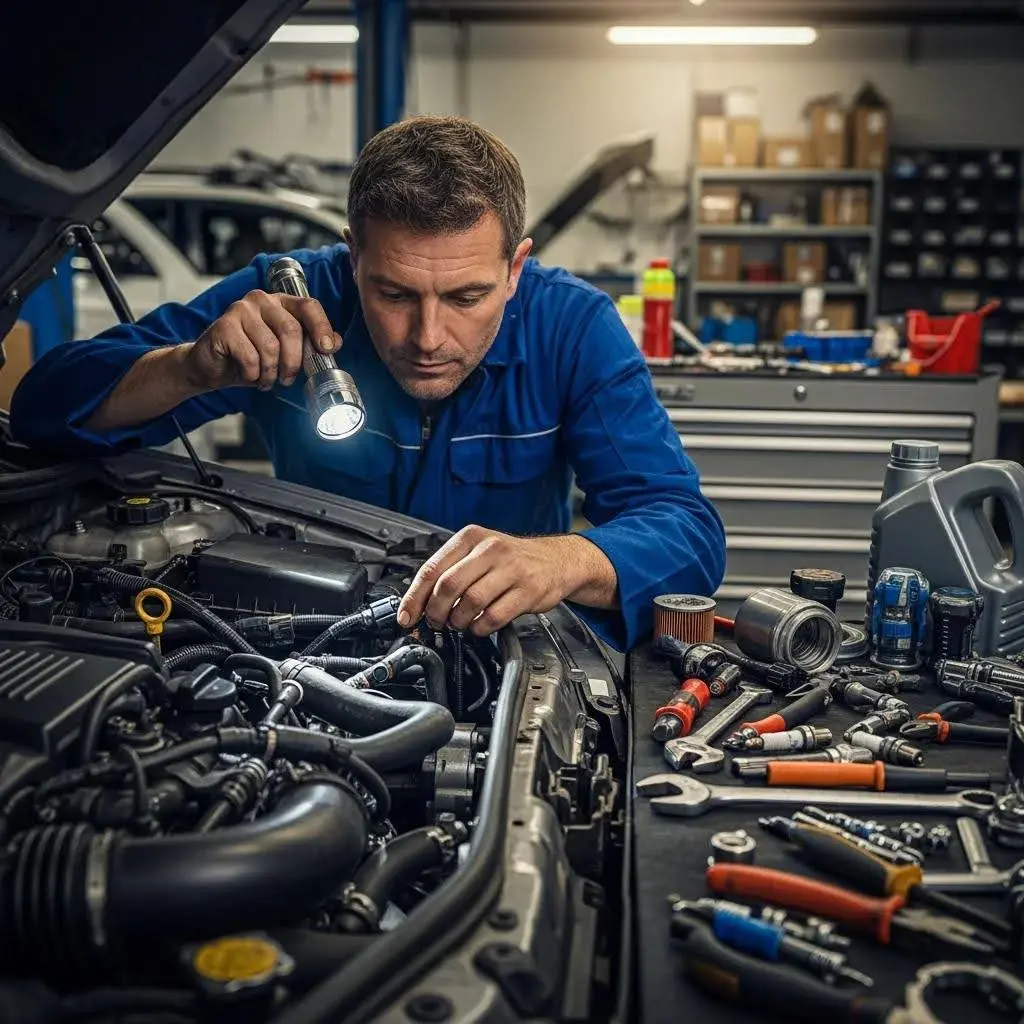
A practical physical inspection follows a logical sequence: under‑bonnet checks of hoses, clamps, and connectors; undercarriage and suspension checks; visual assessment of mounts and the exhaust; and targeted checks of components flagged electronically.
We look for corrosion, pinched vacuum lines, loose connectors, and physical damage that often cause intermittent electrical or sensor faults. For classic cars, we also consider age‑related wiring insulation issues and non‑standard modifications that affect diagnostics.
Visual findings often explain odd live‑data readings and point to the parts that need repair or replacement.
How Are Diagnostic Results Used To Recommend Repairs And Verify Fixes?
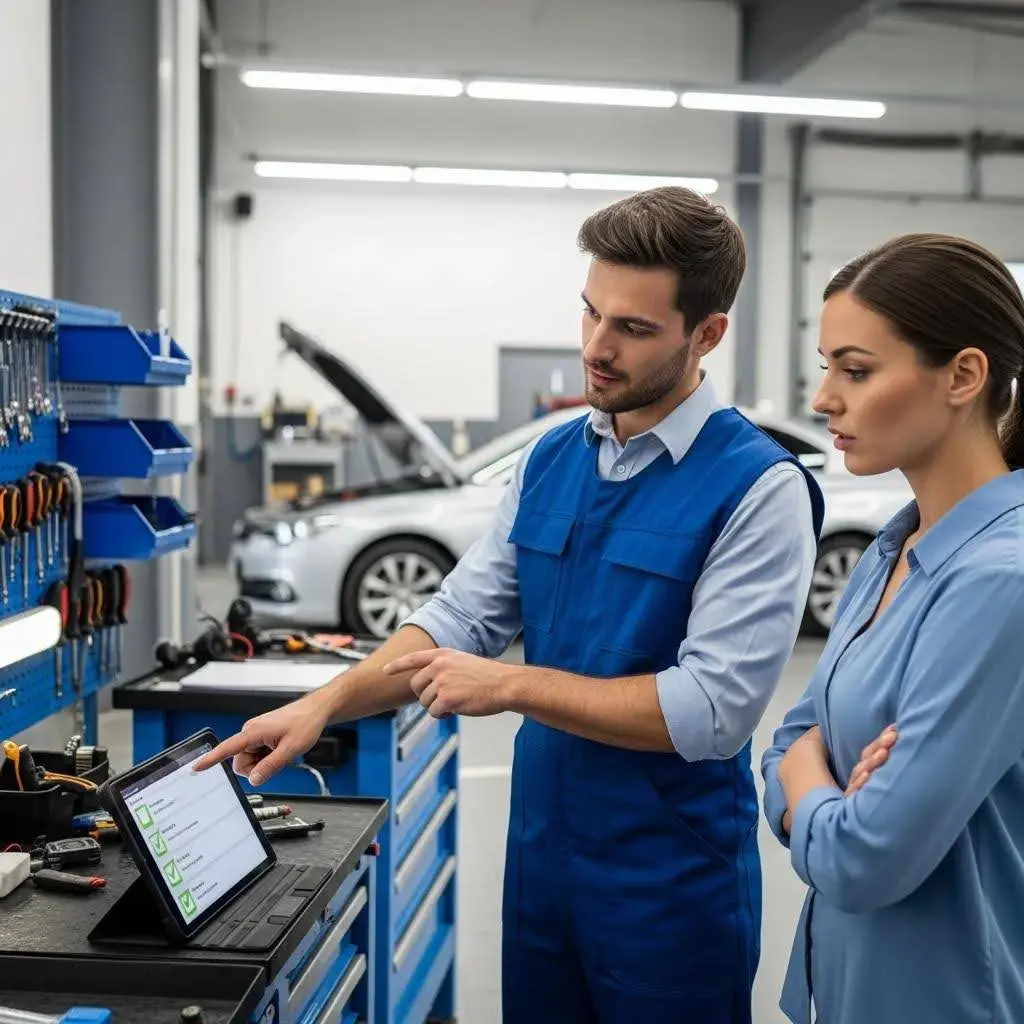
We turn diagnostic findings into a clear repair plan that balances safety, cost, and durability: confirm the fault, propose repair options with parts and labour estimates, get your approval, then carry out the work followed by verification testing.
We weigh immediate repair against monitoring when an issue is minor or intermittent, and we document findings and test data to support our recommendations. After repairs, we re-scan the vehicle, recheck live data, and perform a road test to confirm the fault is resolved and no new codes have appeared.
This process protects you from unnecessary work and ensures the repair fixes the root cause.
Diagnosing And Formulating Repair Plans
We confirm suspected causes with targeted tests, estimate parts and labour for each option, and present clear choices before any work begins. At Sovereign Motor Engineers, we operate a transparent policy: no work without an upfront cost and your approval.
Typical decision steps are to validate the fault with objective tests, prepare options (repair vs replace, OEM vs aftermarket), and obtain approval before proceeding. This keeps repairs aligned with your priorities and budget while preserving diagnostic integrity.
The Post-Repair Verification Process
Post‑repair verification includes clearing codes, re‑scanning to check for recurrence, monitoring live sensor data under various conditions, and performing a controlled road‑test to reproduce previous symptoms and confirm resolution.
We document the verification steps and suggest follow‑up checks if an intermittent issue needs monitoring. If a problem returns, the recorded test results speed up re‑diagnosis and help avoid repeating ineffective repairs.
Verification closes the diagnostic loop and restores confidence that your vehicle is safe and performing as it should.
| Diagnostic Type | Typical Duration | Indicative Cost Range |
|---|---|---|
| Basic OBD-II Code Read | 15–30 minutes | Low–Moderate |
| Full Vehicle Health Check | 45–90 minutes | Moderate |
| Comprehensive Diagnostic + System Tests | 1–3 hours | Moderate–Higher |
- Book a diagnostic: Choose a reputable local workshop for an in-person assessment.
- Confirm findings: Expect a clear report and repair options before any work starts.
- Verify completion: Ensure a post‑repair re‑scan and road‑test are documented.
If you’re near Tonbridge and want an experienced independent garage, Sovereign Motor Engineers offers car servicing, diagnostics, alongside MOTs, servicing, and classic car expertise, with a commitment to upfront pricing and local trust.
Frequently Asked Questions
What Is The Importance Of Regular Car Diagnostic Checks?
Regular diagnostic checks help catch small problems before they become costly or unsafe. They keep your car running efficiently, help maintain fuel economy, and reduce the risk of breakdowns. Routine checks also help meet emissions rules and give you peace of mind that systems are working as they should.
How Often Should I Get A Car Diagnostic Check?
There’s no one‑size‑fits‑all answer. As a rule, have a diagnostic check at least once a year or whenever a warning light appears. Older vehicles or cars showing performance issues should be checked more often. Follow your owner’s manual and speak to your technician for guidance tailored to your car.
Can I Perform A Car Diagnostic Check Myself?
Basic checks are possible with an OBD‑II scanner, but a full diagnostic is best done by a trained technician. Professionals interpret codes in context, run confirmatory tests, and spot issues that a handheld scanner can’t reveal. For a complete and reliable diagnosis, visit a qualified workshop.
What Should I Expect During A Car Diagnostic Check?
Expect a short discussion about the symptoms, a visual inspection, and an OBD-II scan to retrieve fault codes. The technician will then run any needed live-data checks and physical tests, explain the findings, and present repair options with estimates. You should leave with a clear plan for any work required.