

If your car drifts or pulls to one side, it’s usually a sign that something isn’t balanced; steering, brakes, tyres, or suspension can all be involved. Persistent pull affects safety, shortens tyre life, increases fuel use, and makes the car harder to control.
Today, this guide explains the typical mechanical and environmental causes, how to recognise the signs, and practical steps drivers in Tonbridge can take to diagnose and fix the problem.
Sovereign Motor Engineers is a local independent garage that provides diagnostics and repairs. To book, call 01732 351439. Below we cover common causes, braking-related pull, suspension and steering faults, tyre wear and defects, with quick checklists and recommended next steps.
What Are The Common Causes Of A Car Pulling To One Side?
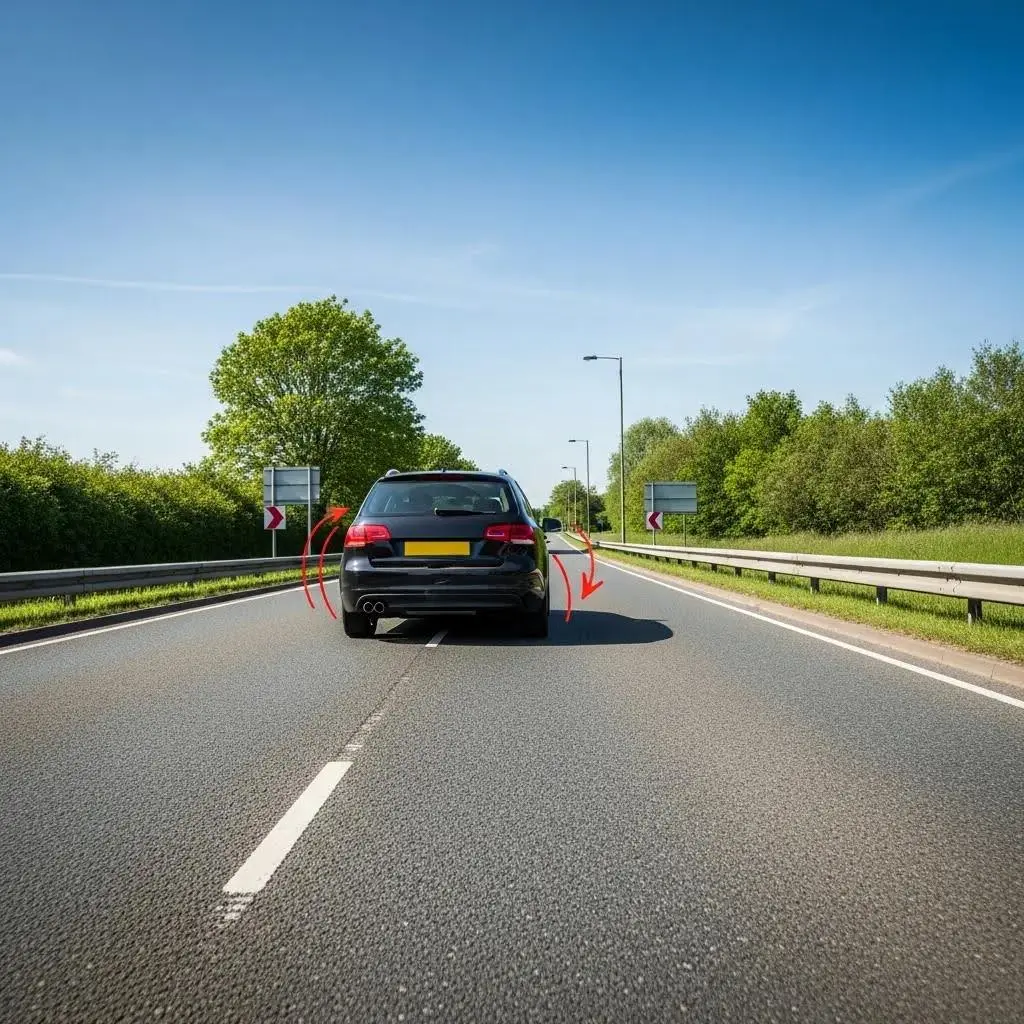
Pulling usually comes from uneven forces at the wheels or unequal braking. You might feel a steady drift, a sudden tug, or general wandering.
Typical mechanical causes are uneven tyre pressure, wheel misalignment (toe, camber, or caster), sticking brake calipers, worn suspension or steering parts, and tyre defects such as conicity or uneven wear.
Road camber or strong crosswinds can make a minor problem more obvious, but if the pull follows the car on different roads, it’s likely a mechanical issue. The sections below explain what to check first and which issues are best left to a professional diagnosis.
This table links common causes to what you’ll notice and the local service to book.
| Cause | Common Symptom | Recommended Service |
|---|---|---|
| Uneven tyre pressure | Mild steady pull, reduced fuel economy | Tyre pressure check and inflation |
| Wheel misalignment | Off-centre steering, inner or outer edge wear | Wheel alignment in Tonbridge |
| Brake issues (sticking caliper) | Pull when braking; one hot wheel | Brake repair in Tonbridge |
| Suspension/steering wear | Wander, clunks, uneven wear | Suspension diagnostics in Tonbridge |
| Tyre conicity/manufacturing defect | Persistent, steady pull despite alignment | Tyre inspection and replacement |
Use this guide to match what you feel at the wheel with the likely repair path and next action.
How Uneven Tyre Pressure Causes A Car To Pull
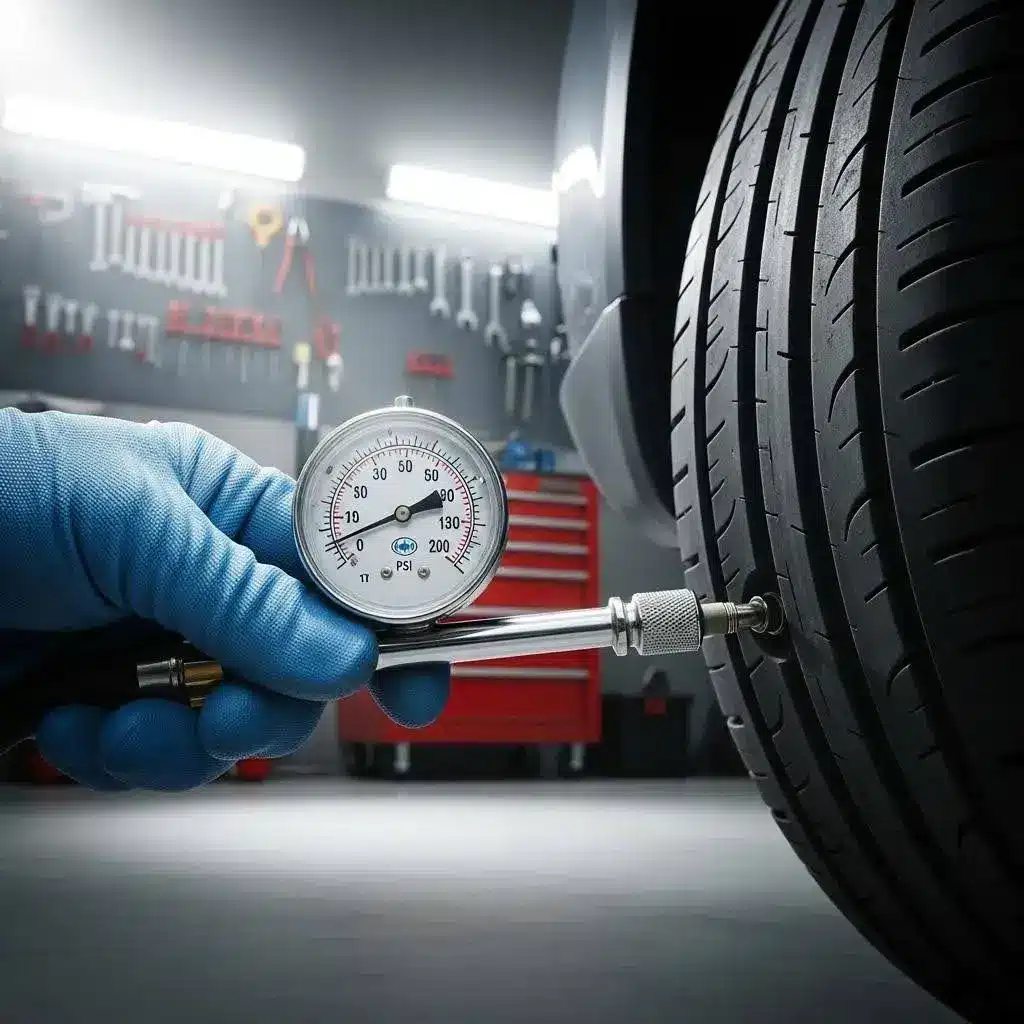
Different tyre pressures create lateral imbalance: a low-pressure tyre has a larger, softer contact patch and resists rolling, pulling the car toward that side. Even a 3–5 PSI difference between opposite tyres can produce a noticeable tug and will speed up uneven wear.
Check cold tyre pressures with a reliable gauge, compare to the vehicle placard, then inflate all tyres to the manufacturer’s recommended PSI. Regular checks, especially before long trips, reduce the chance of pulling to one side.
We offer complimentary tyre pressure checks with inspections; correcting pressures is often the quickest fix before moving on to alignment or suspension checks.
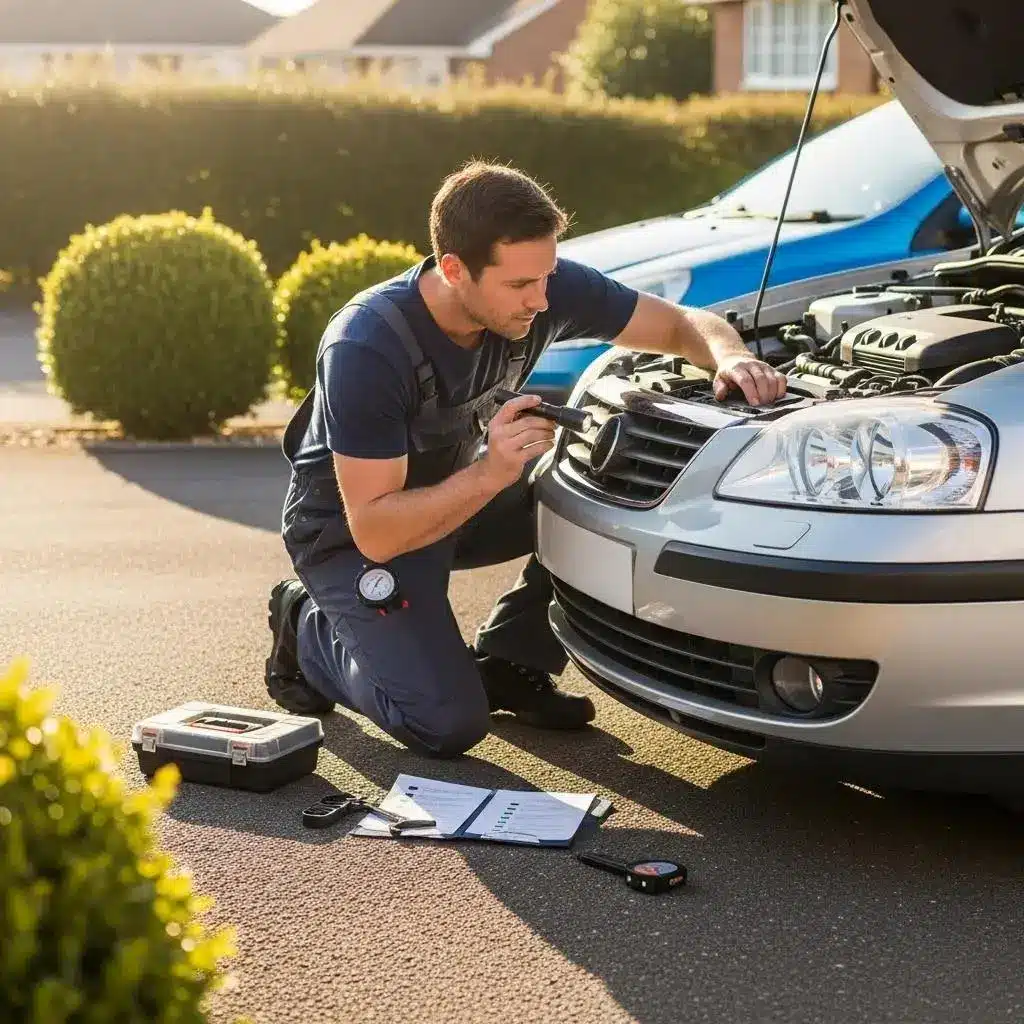
Quick tyre pressure checks you can do at home:
- Check all four tyres when cold with a calibrated gauge.
- Compare readings to the vehicle placard or owner’s manual.
- Inflate or deflate to the recommended PSI and re‑check.
Wheel Misalignment As A Key Factor In Steering Pull
Misalignment alters toe, camber, or caster so the wheels don’t track straight, causing pull and uneven tyre wear as each wheel tries to follow a different path. Toe causes lateral scrubbing, camber shifts the load to the inner or outer edge, and caster affects steering return and stability.
Hitting a pothole or kerb often causes sudden misalignment. Signs include an off-centre steering wheel, rapid edge wear, and a pull that tyre pressure fixes don’t cure. If you suspect misalignment, a professional wheel alignment that restores the correct geometry is the next step to stop pulling and preserve tyre life.
When to book an alignment:
- After noticing an off‑centre steering wheel or new uneven tyre wear.
- Following suspension repairs or after a severe kerb/pothole impact.
- If the correct tyre pressures do not stop the pull.
How Do Brake System Problems Lead To Pulling Under Braking?
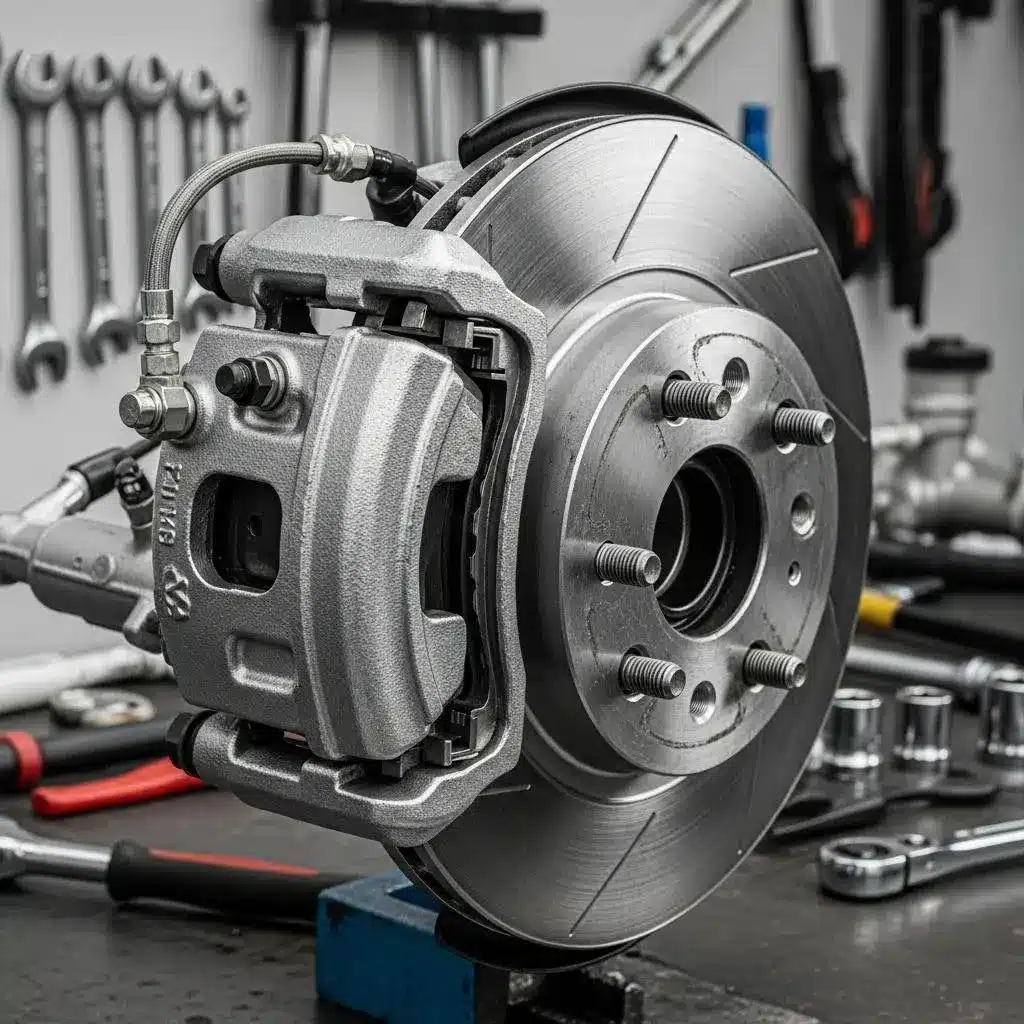
Yes, brake faults can make a car pull under braking. If one side applies more braking force than the other, the car will be pulled toward the stronger side. Common causes include a sticking caliper, seized slide pins, uneven pad wear, collapsed hoses, or hydraulic pressure differences.
Because braking-related pull is a safety risk, get the braking system inspected promptly if the pull happens mainly when you decelerate. The table below lists parts to check and typical symptoms.
| Brake Component | Fault Type | Typical Symptom / Action |
|---|---|---|
| Brake caliper | Sticking caliper | Pull when braking; a hot wheel, book caliper service |
| Brake hose | Collapsed hose | Soft pedal, uneven braking, replace the hose, and bleed the system |
| Brake pads/rotors | Uneven wear or warping | Vibration, pull, or judder, replace pads/rotors |
| Brake fluid/line | Contamination or leak | Reduced pressure, asymmetric braking, inspect and repair lines |
Brake Issues That Cause A Car To Pull To One Side
A sticking caliper can keep a wheel partially engaged and cause continuous drag that pulls the car toward that side. Uneven pads or warped rotors can cause intermittent pull or vibration under braking. Collapsed hoses can stop a caliper from releasing properly, and hydraulic leaks or valve faults cause pressure imbalances.
You might notice a burning smell, one wheel running hotter than the others, or a soft brake pedal before directional pull appears. If you see these signs, avoid long journeys and arrange a brake inspection right away.
Short brake diagnostic checks (only when safe):
- After a short drive, compare wheel temperatures by touch (carefully).
- Check for burning brake smells and note any steering tug during stops.
- Tell your technician what you found so they can target the caliper or hydraulic system.
When To Seek Brake Repair For Pulling Symptoms
Seek immediate brake repair if pulling happens primarily under braking, if you smell burning, see fluid leaks, or notice a sudden change in pedal feel. These are red flags for compromised stopping power.
For less severe but ongoing pulling under deceleration, book an inspection within a few days and avoid long trips until the brakes are checked. Emergency repairs might include caliper replacement, hose renewal, pad/rotor changes, and bleeding the hydraulic system to restore equal braking.
Sovereign Motor Engineers offers brake inspection and repair in Tonbridge and can advise if towing is the safer option.
Red‑flag actions:
- Stop driving and have the car inspected if the brakes pull strongly or you spot a leak.
- Arrange an urgent check if you notice burning smells or one hot wheel.
- Use a local garage for immediate caliper or hydraulic repairs when needed.
What Suspension And Steering Problems Cause Vehicle Pulling?
Worn suspension and steering parts, ball joints, tie rods, control arm bushes, and tired shocks, change wheel alignment dynamically and cause drift, looseness, clunks, and uneven tyre wear that show up as pulling or wandering.
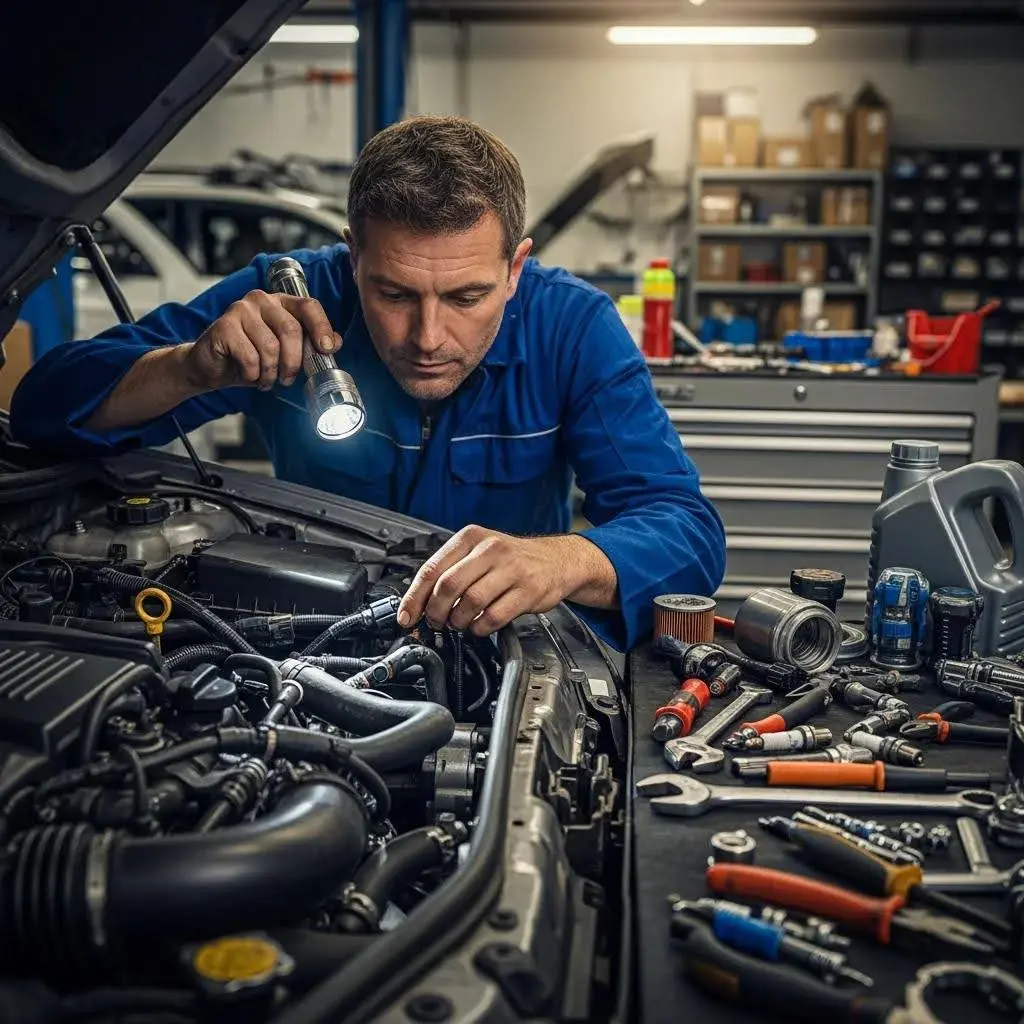
These components link your steering inputs to wheel direction; when they wear, the car won’t hold a straight line. Inspections look for play in joints, split or collapsed bushes, and worn dampers.
Repairs usually mean replacing worn parts and re-aligning the wheels to restore correct geometry. The sections below outline common components and how failures affect direction.
Common worn components and what they do:
- Ball Joints: Wear allows play and causes directional wander.
- Tie Rod Ends: Worn tie rods lead to steering play and incorrect toe.
- Control Arm Bushes: Degraded bushes let alignment shift under load.
- Struts / Shocks: Worn dampers reduce tyre contact consistency and increase wear.
Worn Suspension Components That Affect Car Direction
Ball joints let the wheel pivot; when they wear, they introduce lateral and radial play that makes the car drift or feel vague on centre. Tie rod end wear directly affects the toe and can cause uneven steering response.
Worn control arm bushes allow unwanted movement under load, shifting camber and toe, and speeding inner or outer tyre wear.
Failed struts or shocks reduce consistent wheel contact over bumps, creating temporary misalignment and pulling at speed. Classic cars may show different wear patterns and sometimes need specialist parts or techniques.
Inspection tips:
- Check for play at the wheel with the vehicle lifted and wheels rocked.
- Look for torn bushes, leaking shocks, or excessive movement.
- Book suspension diagnostics if you find looseness or hear clunks.
How Steering System Wear Contributes To Pulling
Wear in the steering rack, excess steering play, or failing tie rods cause uneven steering response, so one side may react differently, and the car drifts.
Power steering fluid leaks or poor assist can hide or worsen symptoms by changing steering feel and load distribution. Wear often begins subtly, a slightly off-centre wheel or light wandering, and worsens over time.
A steering geometry check will pinpoint wear and indicate whether the rack, tie rods, or fluid system needs attention to restore even steering and stable handling.
When to inspect steering:
- If you notice steering play or an off‑centre wheel.
- If there are fluid leaks, contamination, or noisy pump operation.
- After suspension repairs that affect geometry.
In short: Steering wear changes how your inputs turn into wheel angles — fixing it brings predictability back to the drive.
How Can Tyre Wear And Defects Cause Your Car To Pull?
Tyre wear patterns and manufacturing defects directly change the tyre’s rolling behaviour and can cause a steady pull even when alignment and suspension are correct.
Tyre conicity, a subtle shape asymmetry, makes a tyre behave like a slightly conical drum and can pull the car to one side. Uneven wear patterns such as cupping, feathering, or inner/outer edge wear point to alignment or suspension faults and lead to directional instability.
Technicians diagnose conicity by swapping tyres or using road-force balancing; fixes range from rotation and balancing to replacing the offending tyre.
The sections below explain how to spot problematic wear and why conicity matters.
Visual checklist before a workshop visit:
- Inspect all four tyres for inner or outer edge wear.
- Look for cupping, scalloped edges, or feathering along the tread.
- Check for bulges, sidewall damage, or uneven tread depth.
In short, regular tyre checks catch wear early and guide whether rotation, balancing, or replacement is needed to stop pulling.
Signs Of Uneven Tyre Wear That Lead To Pulling
Uneven wear shows up as inner or outer edge thinning (often camber-related), feathering (toe issues), or cupping (suspension/damper faults). Each pattern points to a different cause that can be fixed to stop pulling.
A simple visual check and tread‑depth readings across the tyre width reveal localised wear; symmetric wear is less likely to cause pull, but asymmetric wear usually goes with persistent drift.
Replace tyres with significant uneven wear and address the root cause, alignment or suspension repairs, to avoid repeat problems. Rotation and balancing are useful interim measures, but don’t replace mechanical repairs.
Replacement guidance:
- Replace tyres with structural damage or excessive uneven wear.
- Rotate matched tyres if wear is minor and balanced across axles.
- Always correct alignment or suspension faults when fitting new tyres.
How Tyre Conicity Affects Vehicle Handling
Conicity is a circumferential asymmetry where a tyre’s shape creates a lateral force much like a conical surface, producing a steady pull that may remain after alignment work.
Technicians confirm conicity with road‑force balancing or by swapping tyres between left and right to see if the pull moves with the tyre. If it does, replacement or matching tyres are usually needed.
Options include replacing the defective tyre or pairing tyres with similar conicity on the same axle to neutralise forces; balancing alone rarely cures true conicity. Classic car owners may need specialist matching to achieve stable handling.
Testing and remedy steps:
- Carry out road‑force balance or swap tyres to isolate conicity.
- Replace tyres that carry the pull when moved.
- Use matched tyres on an axle to neutralise lateral forces when replacement is limited.
Sovereign Motor Engineers is an independent vehicle service garage in Tonbridge offering MOTs, car servicing, repairs, tyre services, brake maintenance, suspension work, and classic car expertise.
For diagnostics, suspension work, wheel alignment, brake repair in Tonbridge, or classic car alignment, contact Sovereign Motor Engineers at Unit 3A, Sovereign Way, Tonbridge, TN9 1RS, or call 01732 351439 to book a diagnostic or repair appointment.
Frequently Asked Questions
What should I do if my car starts pulling suddenly while driving?
If your car suddenly pulls, find a safe place to stop and check the tyres for visible damage or large pressure differences. If the pull continues, especially under braking, it could be a brake or severe alignment issue. Don’t carry on driving; contact a professional mechanic for an immediate inspection to keep you safe and avoid further damage.
How often should I check my tyre pressure to prevent pulling?
Check your tyre pressure at least once a month and before long trips. Temperature changes, punctures, or slow leaks can lower pressure and cause uneven wear or pull. Always measure when the tyres are cold for the best reading. Keeping tyres at the manufacturer’s recommended PSI helps stability and reduces the risk of pulling.
Can I fix wheel misalignment myself, or should I seek professional help?
While you can check and correct tyre pressures at home, wheel alignment needs specialist equipment and expertise. A trained technician will measure and adjust wheel angles precisely. Trying to fix alignment without the right tools can cause more wear and handling problems, so it’s best left to professionals.
What are the long-term effects of driving with a pulling car?
Driving with a car that pulls causes uneven tyre wear, which can force early tyre replacement. It also strains suspension and steering parts, leading to more costly repairs. Most importantly, it reduces handling and safety, raising the risk of accidents. Fix the cause promptly to protect your car and your safety.