

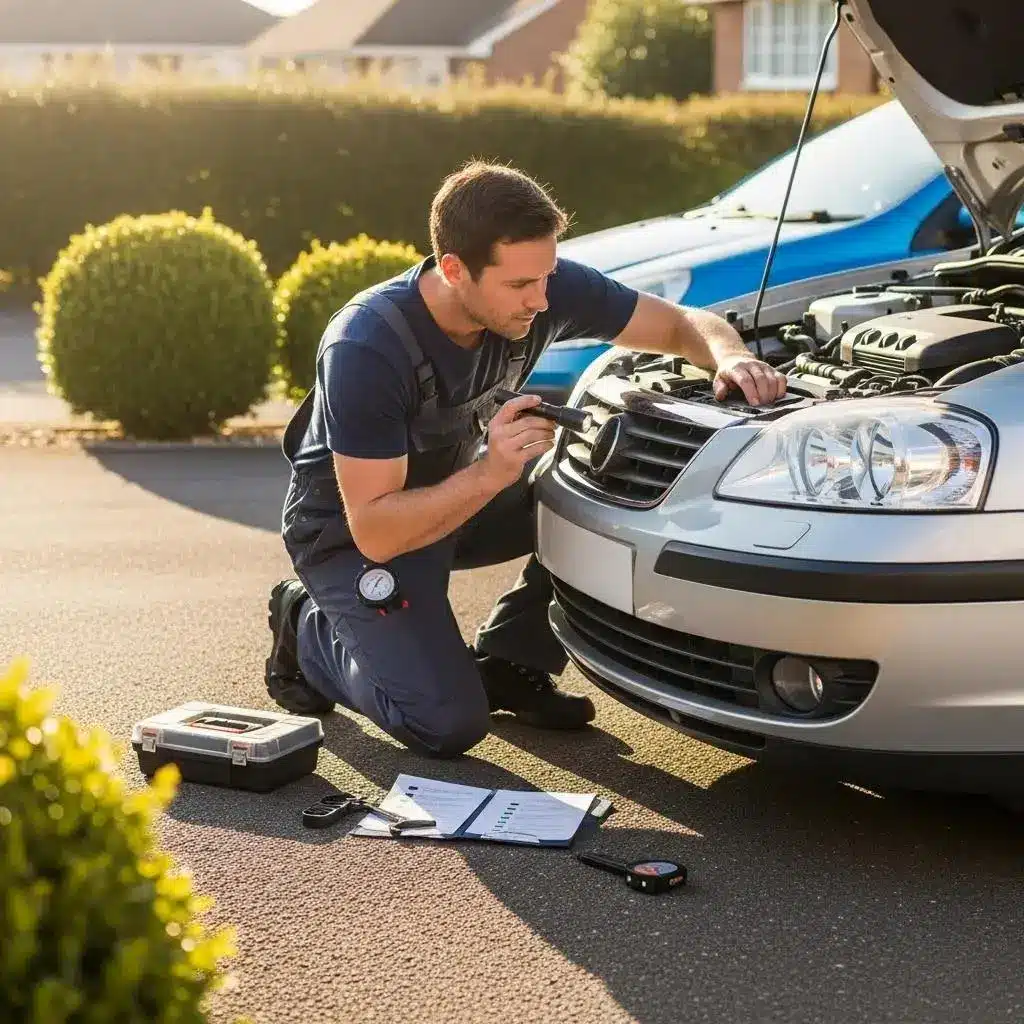

A failed MOT doesn’t automatically mean you can never drive the car again. Whether you can legally move the vehicle depends on the type of failure and why you need to drive.
Today, this guide explains the law around driving after an MOT fail, clarifies the difference between an expired and a failed certificate, and tells you when short journeys, for repairs or a retest, are allowed.
You’ll find out how dangerous, major, and minor faults affect your options, what penalties you could face for illegal driving, and the practical steps to take straight away.
What Are The Legal Restrictions On Driving After A Motor Failure?
Failing an MOT does not automatically make a vehicle illegal to drive unless the failure includes dangerous faults or the MOT has expired. The basic rule is simple: don’t drive on a public road unless the vehicle either has a valid MOT or the journey is a lawful and safe exception.
Dangerous faults mean you must not drive the vehicle at all. In practice, short, pre-booked trips, for a repair or a retest, are usually allowed if the car is safe for that trip and no dangerous defects are present. Read the conditions below to check whether your situation meets those exceptions, then follow the steps to arrange repairs or a retest.
At Sovereign Motor Engineers (SME) in Tonbridge, we can carry out quick MOT checks and repairs if you need help after an MOT failure. We offer MOT testing, retests, and general repairs with clear pricing and upfront estimates. If you want local support, a pre-booked appointment at an independent garage like SME is both lawful and practical.
Driving With An Expired Or Failed MOT Certificate
An expired MOT means the certificate is no longer valid and the vehicle shouldn’t be driven on public roads except to a pre-booked MOT test or for another lawful reason (for example, to travel to a garage for repairs).
A failed MOT means the vehicle did not meet the required standards, and the test will list any dangerous, major, or minor faults. If the MOT outcome does not record any dangerous defects and the car is still roadworthy, short necessary journeys, for example, driving home or to a booked repair, may be reasonable, but you should confirm the vehicle is safe.
If the fail records dangerous faults, you must not drive the vehicle; recovery or on-site repair is required. Knowing these differences helps you avoid penalties and protects your insurance while you arrange corrective work.
The 10-Day Mot Retest Rule And How It Applies
DVSA rules can allow a free or reduced-fee partial retest at the same tester within 10 working days, depending on where repairs are carried out. A partial retest covers only the specific failed items; a full retest is needed if unrelated issues are found.
Practical steps: fix the faults, keep receipts or proof of repair, and book a retest within the DVSA window to benefit from reduced fees.
At Sovereign Motor Engineers, we follow this approach: we offer MOT testing and retests, and our published MOT testing price is £54.85. We aim for transparent retest handling and clear upfront estimates so you’re not surprised by costs.
How Do Dangerous And Major Faults Affect Driving Legality?
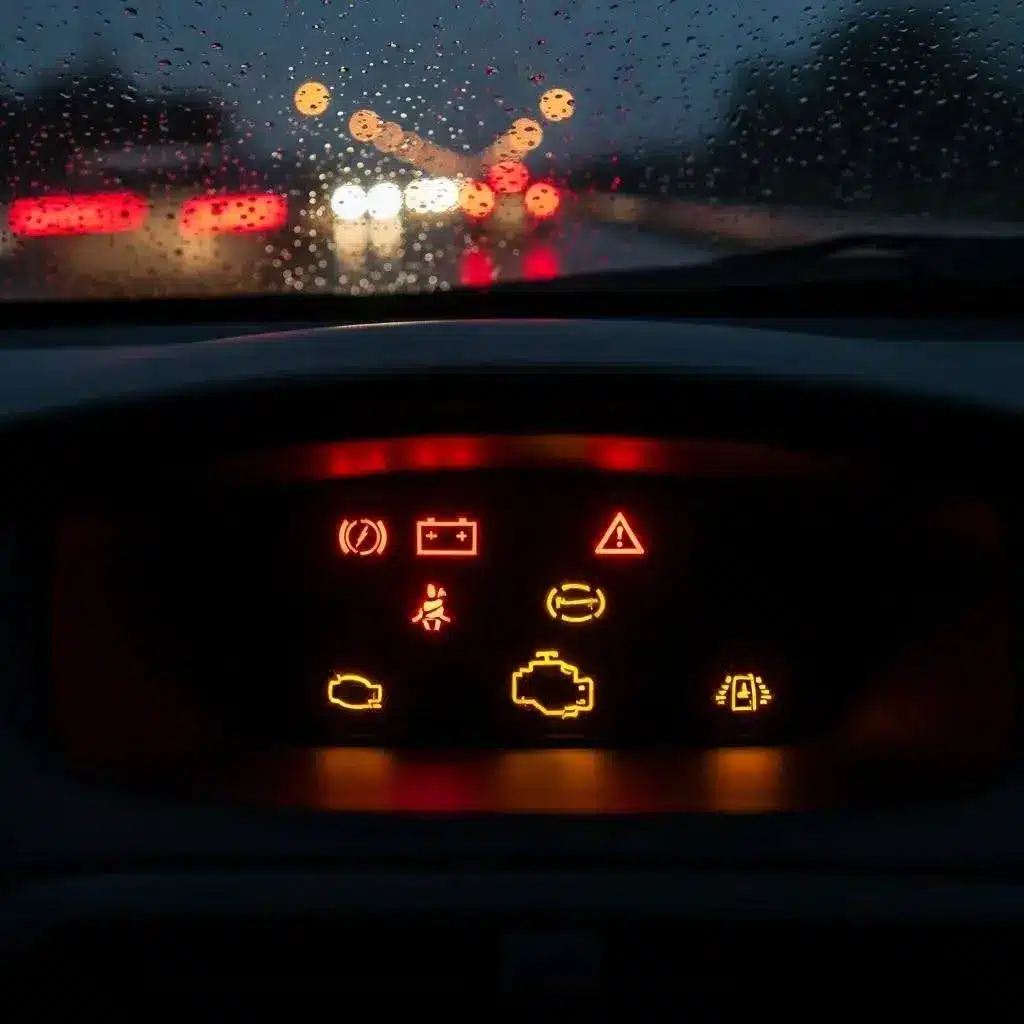
The fault category determines whether you may lawfully drive after an MOT failure. Dangerous faults make the vehicle illegal to drive. Major faults normally require repair before regular use, though you may be able to drive to a pre-booked repair or retest if it’s safe. Minor or advisory faults are warnings that usually allow short, careful trips.
Dangerous faults are treated differently because they present an immediate safety risk and remove any exceptions that would otherwise allow you to drive on public roads. Use the comparison below to see how each category affects your options and what action is expected.
The table below maps fault categories to driving permission and the recommended next steps.
| Fault Category | Definition / Severity | Driving Permission & Action |
|---|---|---|
| Dangerous | Immediate risk to other road users (e.g., exposed wiring, severe brake failure) | Do not drive; arrange recovery or on-site repair immediately |
| Major | Serious fault that affects safety but is not immediately catastrophic (e.g., significant suspension damage) | Do not drive except to a pre-booked repair or retest; have the vehicle repaired before normal use |
| Minor / Advisory | Issues needing attention but not an immediate safety risk (e.g., small lamp fault) | Short, essential journeys may be acceptable if the vehicle is roadworthy; book repairs soon |
This table summarises how each fault type links to lawful driving options and the remedial action expected, helping you choose the safest next step.
Dangerous Faults And How They Affect Driving Permission
Dangerous faults are defects that pose an immediate and serious risk to road users, for example, complete brake failure, major steering faults, or tyres with exposed cords. Legally, you must not drive if a dangerous fault is present; the correct response is recovery, roadside repair, or prompt professional assistance.
Driving with dangerous faults can lead to fines, penalty points, and insurance consequences, and it raises the chance of causing an accident. If you suspect a dangerous fault, stop using the vehicle and arrange recovery or a professional inspection before moving it.
Driving To A Garage For Repairs Or A Retest After An MOT Failure
You may only drive a failed vehicle to a pre-booked repair appointment or an MOT retest if the vehicle is safe for the journey and the test result does not list dangerous faults. Keep booking confirmations or receipts with you and choose a short, direct route at low speed; if you have any doubt, use a recovery service.
If the fail lists major or advisory items only, bring proof of your appointment on arrival so the garage can complete repairs or a partial retest where allowed. Always prioritise safety over convenience when deciding whether to drive to a garage.
What Are The Consequences Of Driving Illegally After An MOT Failure?
Driving illegally after an MOT failure can lead to fines, penalty points, invalidated insurance, and, in serious cases, vehicle seizure. Penalties rise if dangerous faults are involved or if driving causes an accident.
Enforcement ranges from fixed penalties to court-imposed sanctions depending on the situation, and insurers may refuse claims where an unroadworthy vehicle or expired or failed MOT contributed to the loss.
Understanding the consequences should discourage risky driving and encourage prompt booking of repairs or retests.
| Consequence | Typical Penalty Range | Insurance Impact / Notes |
|---|---|---|
| Fixed penalty/fine | Up to £1,000 for driving without a valid MOT | Claims may be refused if the vehicle was unroadworthy |
| Penalty points | Possible points on your licence if linked to dangerous driving | Higher future premiums; claim disputes are more likely |
| Vehicle seizure/prohibition | In serious cases where the safety risk persists | Significant recovery and storage costs; insurer complications |
This table shows how legal penalties and insurance outcomes align, another reason to avoid driving after a failure and arrange repairs promptly.
Fines And Penalties You Can Face
Penalties for driving without a valid MOT or with dangerous defects include fines and, in some cases, penalty points or court orders; the exact outcome depends on severity and whether an accident occurred. Courts can issue larger fines and driving bans for serious breaches that cause harm.
Enforcement officers prioritise dangerous defects when deciding on immediate action. The safest course is not to drive if dangerous faults exist and to use recovery or pre-booked transport to a garage when needed.
Getting professional help quickly reduces your exposure to enforcement and helps preserve insurance coverage.
How Motor Failure Affects Your Car Insurance
An MOT failure can affect insurance if the vehicle’s unroadworthiness or specific faults contributed to an incident; insurers will check whether the vehicle was legally and safely maintained at the time.
To protect cover, keep records of repairs and receipts, tell your insurer where required, and avoid driving after a fail unless the journey fits a lawful exception and the vehicle is safe. Owners of classic cars should note that insurers often expect specialist maintenance records. Good documentation and prompt professional repairs reduce the risk of a denied claim.
What Should You Do Immediately After Your Car Fails An MOT?
After an MOT failure, follow this short, safety-first checklist: identify the fault category, don’t drive if dangerous faults are present, arrange repairs or recovery, and book a retest within DVSA windows if eligible.
These steps protect you legally and financially and get you back on the road sooner. Below is a practical step-by-step checklist to turn a failed MOT into a compliant vehicle quickly, followed by simple prevention tips.
- Confirm Fault Category: Check whether the MOT lists dangerous, major, or minor faults and prioritise safety accordingly.
- Avoid Driving if Dangerous: If dangerous faults are present, do not drive; instead, arrange recovery or on-site repair immediately.
- Book Repairs or Retest: Arrange a pre-booked repair or retest and keep proof of the appointment and receipts.
- Document Repairs: Keep invoices and records to protect your insurance and support any reduced retest fees.
How To Book A Retest Or Repair Service Locally In Tonbridge

To book a retest or repairs in Tonbridge, call or use an online booking tool for a local independent garage, note the booking reference, and bring the MOT paperwork plus any repair receipts.
Sovereign Motor Engineers (SME) in Tonbridge offers MOT testing, retests, and general car repairs with transparent pricing and an upfront-cost policy; our published MOT testing price is £54.85, and we handle retests in line with DVSA windows.
On arrival, show the MOT failure details, ask for a written estimate before any work begins, and check the expected turnaround so you can arrange transport. Choosing a reputable local specialist reduces delays and keeps the repair process clear.
Common Mot Failure Reasons And How To Prevent Them
Common reasons for MOT failure include lighting and signalling faults, tyre condition, brakes, and suspension or steering issues, many of which a simple pre-check will catch.
Regular visual checks of lights, tyre tread and pressure, basic brake feel, and fluid levels reduce the chance of failure, and scheduled servicing replaces worn items before the test.
The short prevention list below covers the top checks to do before your MOT.
- Lights & Indicators: Check bulbs and lenses are working and replace any faulty bulbs.
- Tyres: Ensure correct tread depth (minimum 1.6mm across the central three-quarters of the tyre) and correct pressure; replace damaged tyres.
- Brakes: Listen for noise, check pedal feel, and have brakes serviced if performance drops.
- Suspension & Steering: Notice unusual play or noises and have them inspected promptly.
Regular maintenance and a simple pre-MOT checklist make failures less likely and retests quicker and cheaper.
Sovereign Motor Engineers provides MOTs in Tonbridge, retests, and servicing in Tonbridge with experienced technicians and a clear “no work without an upfront cost” policy, making us a practical option if you need local repairs or a retest quickly.
Frequently Asked Questions
What Should I Do If My Car Fails An MOT but I Need To Drive It?
You can only drive after an MOT failure if the faults are not classified as dangerous. You may drive to a pre-booked repair or retest appointment, provided the vehicle is safe for the journey.
Keep proof of the appointment with you and confirm the fault category. If dangerous faults are listed, arrange for recovery or on-site repair instead of driving.
How Can I Ensure My Vehicle Passes The Next MOT?
To improve the chances of passing, carry out regular maintenance and focus on common failure points: lights, tyres, brakes, and suspension.
Check lights and indicators, measure tyre tread depth and pressure, and listen for unusual brake or suspension noises. A pre-MOT inspection can catch issues early and allow timely repairs.
What Are The Implications Of Driving With A Major Fault After An MOT Failure?
Driving with a major fault is generally illegal unless you’re driving to a pre-booked repair or retest. Major faults are serious and can affect safety; driving in that condition risks fines and points on your licence. Address major faults promptly to avoid legal problems and keep your vehicle safe to use.
Can I Appeal An MOT Failure Decision?
Yes, you can appeal if you believe the failure was incorrect. Start by contacting the testing station to discuss the failure reasons. If you still disagree, request a retest at another garage. Bear in mind that a new test may also fail if the same issues remain.