

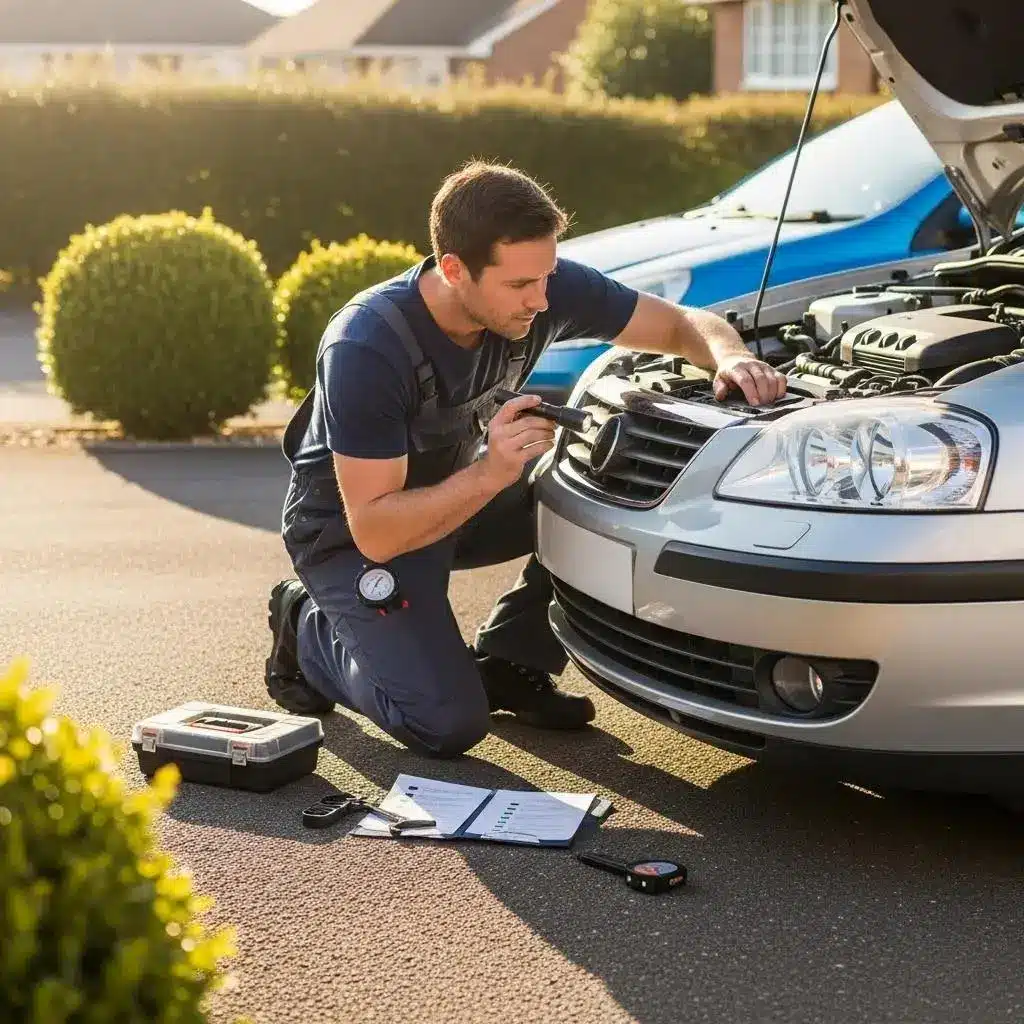


Most people rely on their car’s air conditioning system to keep them cool during hot summer days or warm during chilly winter months. However, many car owners are unaware of how long the air conditioning gas in their vehicle lasts.
In most cars, aircon gas should last between 3 to 5 years under normal driving conditions — though some well-maintained vehicles can go longer before needing a recharge. Unlike fuel, refrigerant isn’t burned or consumed during use; it gradually escapes over time through microscopic wear in seals, hoses, and fittings.
That said, how long your aircon gas lasts isn’t a fixed number — it depends on several key factors that vary from vehicle to vehicle, including:
- Vehicle age: Older cars are more prone to seal degradation and refrigerant leaks
- Usage frequency: Regular AC use accelerates wear on system components
- Environmental conditions: Extreme heat or cold puts additional stress on the system
- Maintenance practices: Routine servicing helps catch leaks early and extend refrigerant life
Understanding the lifespan of your car’s aircon gas is essential for keeping the system running at its best and avoiding costly repairs down the line. In this article, we’ll explore exactly what affects how long your refrigerant lasts and what you can do to get the most out of it.
DO YOU WANT TO ENSURE YOUR CAR’S AIR CONDITIONING SYSTEM IS RUNNING EFFICIENTLY?
Look no further than Sovereign Motor Engineers for your professional car air con recharge service, offering a comprehensive air con service that includes regassing and system checkups. We offer both the new R-1234yf air con gas and the old R134a at affordable rates, with competitive prices for all our services, ensuring that you can get your car running smoothly without exceeding your budget.
Plus, with our fast turnaround times, you can get back on the road in no time. Trust in Sovereign Motor Engineers for all your car air recharge needs. We also provide professional air con regas to keep your system running efficiently.
CLICK HERE TODAY FOR MORE INFORMATION ON HOW WE CAN HELP KEEP YOUR CAR RUNNING OPTIMALLY!
INTRODUCTION TO YOUR CAR’S AIR CONDITIONING SYSTEM
Your car’s air conditioning system is essential for comfort and safety, especially during those hot summer days. The system works by circulating refrigerant gas through a network of components, including the compressor, condenser, expansion valve, and evaporator coils.
This process cools the air inside your vehicle, ensuring you enjoy a pleasant drive no matter the temperature outside. Regular maintenance of your air conditioning system is crucial to prevent costly repairs and keep your air con system running at optimal performance.
Not only does a well-maintained air con provide cold air, but it also helps remove excess humidity and filter out pollutants, improving the quality of the air inside your car. By understanding how your air conditioning works and taking steps to care for it, you can ensure a comfortable and healthy environment every time you get behind the wheel.
AIR CON SYSTEM COMPONENTS: WHAT MAKES IT ALL WORK?
The magic behind your car’s cool, refreshing air lies in the teamwork of several key components within the air con system. At the heart of the system is the compressor, which pressurises the refrigerant gas and sends it through the system. The condenser then releases heat from the refrigerant to the outside air, allowing the gas to cool down.
Next, the expansion valve reduces the pressure of the refrigerant, causing it to expand and become cold. The chilled refrigerant then flows through the evaporator coils, where it absorbs heat from the air inside your vehicle, delivering that much-needed cool air.
Air filters play a vital role as well, trapping dust and debris to keep the air inside your car clean and fresh. Each of these components must work together seamlessly for your air con to function efficiently.
Regular checks and maintenance of the air con gas, air filters, and other parts help prevent leaks and ensure your system continues to deliver reliable cooling performance.
THE IMPORTANCE OF MAINTAINING PROPER AIRCON GAS LEVELS IN YOUR CAR’S AIR CONDITIONING SYSTEM
Maintaining a proper level of aircon gas in your car is important for the long-term functioning and performance of the car’s air con system and the vehicle’s air conditioning system.
Here are some important reasons why you should always be mindful of the aircon gas levels in your car:
- Maintaining the proper gas levels helps to prolong the life of your air conditioning system and can save you money on costly repairs or replacements.
- Proper gas levels ensure that your air conditioning system is operating efficiently, which can improve gas mileage and save you money at the pump.
- It helps to keep the air conditioning system’s compressor lubricated, and during servicing, checking the system’s lubricant level is essential to reduce the risk of damage or failure.
- Maintaining proper gas levels can reduce the risk of refrigerant leaks, which can be harmful to the environment and expensive to repair.
- Inadequate gas levels can cause the air conditioning system to blow warm or hot air, making it uncomfortable to drive in hot weather.
- It prevents moisture buildup, which can cause mould and mildew growth and lead to unpleasant odours in your vehicle.
Maintaining proper aircon gas levels is also essential for keeping your vehicle in a reliable and roadworthy condition.
You shouldn’t ignore car air conditioning service to keep your car in optimal condition. It’s always best to get a professional opinion from a trusted service provider like Sovereign Motor Engineers, who can ensure that your air conditioning system is working properly and at its most efficient level.
5 FACTORS THAT INFLUENCE THE LIFESPAN OF AIRCON GAS IN YOUR CAR
Understanding what affects how long your aircon gas lasts can help you take better care of your vehicle and avoid unnecessary expenses. Here are the five key factors that play the biggest role:
1. Quality of AC Components
The quality of the components within your air conditioning system has a direct impact on how long the refrigerant lasts. Parts such as compressors, seals, and hoses are engineered for durability, but even high-quality components experience wear over time. When seals begin to deteriorate or hoses develop small cracks, refrigerant can slowly escape — reducing the efficiency of your system and shortening the lifespan of your aircon gas.
2. Vehicle Age and Size
Older vehicles tend to have less efficient air conditioning systems, which means they work harder to cool the cabin and place greater strain on the refrigerant. Larger vehicles with bigger engines and more interior space to cool may also see their aircon gas deplete at a different rate compared to smaller, more compact cars. Newer models, on the other hand, are generally equipped with modern, energy-efficient AC systems that help the refrigerant last considerably longer.
3. Usage Frequency
How often you use your car’s air conditioning directly affects how quickly the gas depletes. Drivers who rely heavily on their AC — particularly during long commutes or hot summer months — will naturally experience faster wear on seals and components, which can lead to quicker refrigerant loss. Even when not in use, however, refrigerant can still escape gradually through microscopic gaps in the system over time.
4. Regular Maintenance and Servicing
Routine maintenance is one of the most effective ways to extend the lifespan of your aircon gas. Regular servicing allows a qualified technician to identify and fix leaks early, clean or replace filters, and ensure all components are functioning as they should. Neglecting maintenance not only shortens the life of your refrigerant but can also lead to more serious and costly damage to the system over time.
5. Weather and Climate Conditions
The climate in which you drive plays a significant role in how frequently your aircon gas needs to be recharged. In hotter regions where air conditioning is used almost constantly, refrigerant levels can drop much faster than in cooler areas where the AC is used less frequently. Extreme temperatures — both hot and cold — can also accelerate the degradation of seals and hoses, increasing the risk of refrigerant leaks.
COMMON REASONS FOR AIRCON GAS DEPLETION IN CARS
There are several factors that can contribute to aircon gas depletion in cars. Here are the most common reasons:
- System Leaks: This commonly occurs in hoses, fittings, valves, or seals.
- Accidental Damage: Accidental damage to the air conditioning system, such as impact from road debris or collisions, can cause leaks and gas leakage.
- Lack of maintenance: Properly maintaining your car’s air conditioning system, including regular air con regassing, is essential for optimal performance and longevity. Air con regassing involves removing old refrigerant gas and replacing it with fresh refrigerant to keep your car’s air con running efficiently.
- Extended Non-Use: If a car’s air conditioning system remains unused for an extended period, seals and valves can dry out, increasing the risk of leaks and subsequent gas depletion.
- High Ambient Temperatures: Exposure to high temperatures can cause the aircon gas to expand and escape more rapidly, leading to quicker depletion.
While these are the most common causes of refrigerant gas depletion in cars, it is always important to get professional help when your car air conditioning system begins to malfunction. Maintaining your car’s air con and car’s aircon gas is not an expensive or difficult job when done regularly.
SIGNS YOUR AIRCON GAS IS LOW
Catching the early warning signs of low aircon gas can save you from a costly repair bill down the line. Here are the key signs to watch out for:
1. Warm or Lukewarm Air From the Vents
This is the most obvious and common sign that your aircon gas is running low. If your AC is switched on but the air coming through the vents feels warm or barely cool, your refrigerant levels are likely insufficient to properly cool the cabin. Don’t ignore this — the longer you leave it, the harder the compressor has to work.
2. Reduced or Weak Airflow
If the airflow from your vents feels noticeably weaker than it used to be, even at maximum fan speed, it could be a sign that your system is struggling due to low refrigerant levels. Reduced airflow often indicates the AC is working overtime to compensate for insufficient gas in the system.
3. Uneven Cooling Throughout the Cabin
Low aircon gas can cause inconsistent temperatures inside the car — some areas may feel cool while others remain warm. If your air conditioning isn’t distributing cool air evenly across the cabin, it’s worth having your refrigerant levels checked.
4. Unusual Noises From the AC System
A hissing or rattling sound when the air conditioning is running can be a sign that gas levels are low and the refrigerant is struggling to circulate properly. In some cases, a banging or clicking noise may indicate that the compressor is under strain due to insufficient lubrication — which is carried by the refrigerant itself.
5. Strange Smells From the Vents
Musty, stale, or unusual odours coming from the vents can sometimes be linked to low refrigerant levels, which can lead to moisture build-up and bacterial growth within the system. If you notice an unpleasant smell every time you switch on your AC, it’s time to get it inspected.
6. Poor Fuel Economy
An AC system running low on gas has to work much harder to cool your vehicle, placing extra load on the engine. If you’ve noticed a drop in fuel efficiency without any other obvious cause, your air conditioning system could be the culprit.
If you’re experiencing any of these signs, don’t wait — book an aircon check as soon as possible. Addressing low refrigerant levels early is far more cost-effective than dealing with a damaged compressor or a full system repair.
THE CONSEQUENCES OF IGNORING LOW REFRIGERANT GAS LEVELS IN YOUR CAR’S AIR CONDITIONING SYSTEM
While it may be tempting to ignore low air con gas levels in your vehicle, doing so may result in your air con working less effectively and increase discomfort and damage risks. Generally, the consequences may include:
- Poor performance.
- Damage to other components of the vehicle.
- A decrease in fuel efficiency.
- Increased risk of mechanical breakdowns.
- Reduced air conditioning effectiveness.
- Potential for damage to your car’s air conditioner.
It’s important to note that running a car with low refrigerant levels can result in costly repairs or replacement parts, so regular car servicing is essential to address any issues before they arise.
CAR AIR CON SYSTEM INSPECTION: WHEN AND WHY IT MATTERS
Scheduling regular inspections for your car air con system is key to keeping it running efficiently and avoiding unexpected breakdowns. Experts recommend having your air con checked every 1-2 years, or sooner if you notice signs like warm air blowing from the vents or a drop in airflow.
During an inspection, a qualified technician will examine all major components, such as the compressor, condenser, and evaporator coils, for wear or damage. They’ll also check the refrigerant gas levels and perform a vacuum test to detect any leaks that could compromise the system.
Catching issues early through regular inspections can help you avoid costly repairs and ensure your air con system continues to provide cold air when you need it most. Staying proactive with inspections not only saves you money but also keeps your car comfortable and reliable all year round.
SOVEREIGN MOTOR ENGINEERS: YOUR TRUSTED GARAGE FOR CAR AIRCON GAS RECHARGE
From car air conditioning regassed to comprehensive maintenance services, Sovereign Motor Engineers is your one-stop shop for all things auto, addressing all your air con needs and vehicle’s air con issues. With over 10 years of excellent service delivery, our team of experts have the skills and experience to remedy all your car maintenance and repair issues.
Our highly trained technicians are well-equipped to perform intricate testing and identify potential issues. We will regas your car’s air conditioner and check your car air conditioning gas to get it running again at its best.
AT SOVEREIGN MOTOR ENGINEERS, WE GUARANTEE:
- A professional and lasting solution to your car issues.
- Quick fault detection and fast turnaround using modern tools and equipment.
- Thorough vehicle maintenance service.
- Competitive and affordable rates.
- Quality parts when replacements are needed.
- Commitment to your full satisfaction.
Contact Sovereign Motor Engineers today to get a FREE estimate!
TIPS TO EXTEND THE LIFESPAN OF AIRCON GAS IN YOUR CAR
Taking care of your car’s air conditioning system doesn’t have to be complicated. Follow these maintenance tips to get the most out of your aircon gas and keep your system running efficiently for longer:
1. Keep Up With Regular AC Maintenance
One of the most effective ways to extend the lifespan of your aircon gas is to stay on top of routine maintenance. Over time, filters become clogged with dust and debris, reducing airflow and forcing the system to work harder than it needs to. Worn seals, aging hoses, and faulty components can also cause refrigerants to leak slowly without you even noticing.
By scheduling a professional AC service every one to two years, a qualified technician can inspect the entire system, replace filters, check for leaks, and ensure all components are functioning correctly. Catching small issues early not only preserves your refrigerant levels but also prevents minor problems from turning into expensive repairs.
2. Park in the Shade and Protect Your Car From Direct Sunlight
Where you park your car has a bigger impact on your aircon gas than most people realise. When a car is left in direct sunlight, the interior temperature can rise dramatically — sometimes reaching well over 50°C on a hot day. When you get back in and switch on the AC, the system has to work at full power for a prolonged period just to bring the temperature down to a comfortable level.
This repeated cycle of high-intensity cooling puts unnecessary strain on the compressor and accelerates wear on seals and hoses, increasing the risk of refrigerant leaks over time. Whenever possible, park in a shaded area, an underground car park, or use a reflective windshield sun shade to reduce heat build-up inside the cabin.
3. Regularly Check Refrigerant Levels and Recharge on Time
Refrigerant levels don’t stay constant — even a well-maintained system can lose up to 10% of its gas annually through normal permeation. Allowing levels to drop too low before acting can cause serious damage to the compressor, as the refrigerant also carries the lubricating oil that keeps it running smoothly.
Make it a habit to monitor your AC’s performance regularly. If you notice the air isn’t as cold as it used to be, or if it takes longer than usual to cool the cabin, these are clear signs that a recharge is needed. Having your refrigerant levels professionally checked at least once a year — and topping up promptly when required — keeps the system operating at peak efficiency.
4. Use Your Air Conditioning Year-Round — Including in Winter
Many drivers make the mistake of switching off their air conditioning entirely during the colder months. However, leaving your AC unused for extended periods causes the seals and rubber hoses within the system to dry out, which significantly increases the risk of refrigerant leaks developing over time.
Running your air conditioning for at least 10 minutes every week throughout autumn and winter keeps the internal components lubricated and the seals in good condition. It also helps to quickly demist your windscreen during cold mornings — making it both a practical and protective habit.
5. Avoid Running the AC at Maximum Settings for Extended Periods
While it’s perfectly fine to crank the AC up to full power when you first get into a hot car, leaving it running at maximum capacity for long periods unnecessarily increases the strain on the compressor and other components. Once the cabin has reached a comfortable temperature, reduce the setting to a moderate level to maintain it.
This simple habit reduces the overall workload on the system, minimises wear on seals and hoses, and helps your aircon gas last considerably longer between recharges.
6. Get Leaks Diagnosed and Repaired Immediately
If you suspect your AC system has a leak — whether due to a sudden drop in cooling performance, a hissing sound, or visible signs of refrigerant residue — don’t delay getting it looked at. Even a small, slow leak will continue to worsen over time, and running the system with insufficient refrigerant puts excessive stress on the compressor.
A professional leak test is a quick and relatively inexpensive process that can pinpoint the exact source of the problem. Fixing a leak promptly not only protects your refrigerant levels but also prevents the kind of compressor damage that can result in repair bills many times higher than a simple regas.
Incorporating these habits into your regular vehicle care routine will help your car’s aircon gas last as long as possible — keeping your system efficient, your repairs minimal, and your drives comfortable all year round.
MAINTENANCE SCHEDULE: HOW OFTEN SHOULD YOU SERVICE YOUR CAR’S AIR CONDITIONER?
It’s important to stick to a regular maintenance schedule to keep your car air conditioner in top shape. Most manufacturers recommend servicing your air con system every 1-2 years, but always check your owner’s manual for specific guidance.
During a routine service, a technician will inspect all components, top up the refrigerant gas if needed, and clean the system to ensure optimal performance. It’s also a good idea to run your air conditioner regularly, even during the colder months, to keep the system’s parts lubricated and prevent corrosion. Regular maintenance not only helps you avoid costly repairs but also extends the lifespan of your air conditioner, ensuring you always have access to cool, clean air.
By making air con maintenance a part of your car care routine, you’ll enjoy better comfort, improved air quality, and peace of mind on every journey.
FREQUENTLY ASKED QUESTIONS
1. What Are the Risks of Regassing Car Aircon Yourself?
Regassing your car’s aircon yourself carries several serious risks. The most common issue is overcharging or undercharging the system, which places excessive strain on the compressor and can cause it to fail prematurely. Refrigerant is also a pressurised, hazardous substance that requires specialist equipment to handle safely. DIY kits are also unable to perform proper vacuum tests or leak detection, meaning underlying issues will go unnoticed and worsen over time. What seems like a cost-saving exercise can quickly turn into a far more expensive repair.
2. How Much Does It Cost to Recharge the Car Air Conditioner?
The cost varies depending on your vehicle type and the refrigerant it requires. Cars manufactured before 2017 typically use R134a gas, which costs between £50 and £100 to recharge. Newer vehicles require R1234yf — a more environmentally friendly but pricier option — ranging from £100 to £200 or more. Additional costs may apply if a leak needs repairing before the recharge. Always confirm which refrigerant your car requires before booking.
3. How Often Should I Check My Car’s Aircon Gas Levels?
It is recommended to have your aircon system professionally checked every two years. Refrigerant levels naturally drop by up to 10% per year even without a visible leak, gradually reducing cooling efficiency. Regular servicing allows a technician to top up gas, inspect for leaks, and keep the system performing at its best. If you notice reduced cooling before the two-year mark, get it checked sooner rather than later.
4. Can Refrigerant Gas Cause Injury If Handled Incorrectly?
Yes — refrigerant is a pressurised chemical that can cause severe freeze burns if it comes into contact with skin or eyes. Inhaling refrigerant vapour in an enclosed space also poses serious health risks. Professional technicians are trained to handle it safely using approved protective equipment and industry-standard machinery, which is why DIY regassing is strongly discouraged.
5. Is It Cheaper to Regas at Home Using a DIY Kit?
DIY regas kits are available for around £20 to £50, but they rarely represent a genuine saving. A professional service costs slightly more but includes a full system inspection, vacuum test, leak detection, and precise refrigerant measurement — none of which DIY kits can provide. If the DIY attempt causes compressor damage or misses a leak, the resulting repair bill will far exceed the cost of a professional regas from the start.
6. What Happens If You Overcharge Your Car’s Aircon System?
Overcharging puts extreme pressure on the compressor — the most expensive component in the AC system — and can cause it to fail prematurely. An overcharged system may also produce poor cooling performance, strange noises, and higher fuel consumption. Only a qualified technician with calibrated equipment can accurately measure and dispense the exact amount of refrigerant your vehicle needs.
7. How Long Does a Professional Aircon Regas Take?
A professional aircon regas typically takes between 45 and 60 minutes. The process involves extracting the old refrigerant, running a vacuum test to check for leaks and remove moisture, and refilling the system with the correct type and quantity of fresh gas. A performance check is then carried out to confirm everything is cooling properly before the vehicle is returned to you.
8. Will My Aircon Be Checked During a Routine Car Service or MOT?
No — air conditioning is not assessed during a standard service or MOT inspection. The MOT only covers components related to vehicle safety and roadworthiness, and most service schedules do not include an AC check unless specifically requested. It’s important to book your aircon service separately every two years, or sooner if you notice any drop in cooling performance.
CONCLUSION
To sum up, the aircon gas in your car can last from 1 to 2 years on average, but factors such as leaks, usage frequency, and temperature can significantly affect its lifespan. Therefore, it is essential to keep an eye on the signs of aircon gas depletion.
Remember that regular maintenance and timely repairs can help extend the lifespan of your car’s air conditioning system and save you from costly repairs in the future.
So for peace of mind and total confidence in the continued efficacy of your car’s air-con, why not book an appointment with Sovereign Motor Engineers today?
Book now to restore your car to the best performance for a comfortable and enjoyable ride!