

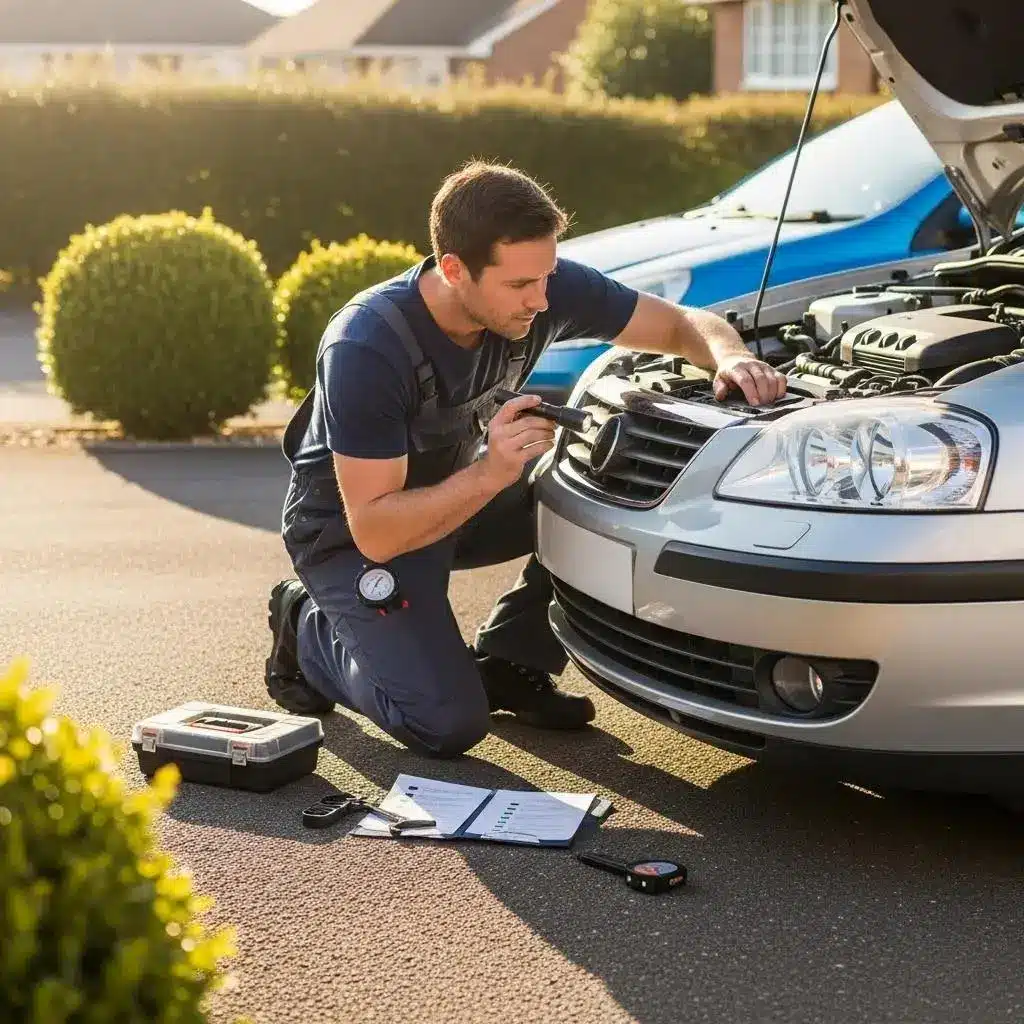


Most people rely on their car’s air conditioning system to keep them cool during hot summer days or warm during chilly winter months. However, many car owners are unaware of how long the air conditioning gas in their vehicle lasts.
In most cars, air conditioning gas (refrigerant) can last anywhere from 3 to 5 years under normal driving conditions — and in some well-maintained vehicles, even longer. Unlike fuel, refrigerant isn’t consumed during operation; instead, it slowly leaks over time through microscopic gaps in hoses, seals, and fittings.
That said, the exact lifespan of your car’s AC gas depends on several key factors, including:
- Usage frequency – The more you use your AC, the faster wear occurs on seals and components
- Vehicle age and condition – Older cars tend to develop leaks more readily
- Maintenance history – Regular servicing helps identify and fix leaks early
- Environmental conditions – Extreme heat or cold can accelerate seal degradation
Understanding how long your car’s AC gas lasts is essential for keeping your system running efficiently and avoiding more expensive repairs down the line. A noticeable drop in cooling performance is often the first sign that your refrigerant levels are low and a top-up may be needed.
In this article, we will explore how long air conditioning gas lasts in a car and what factors can affect its lifespan.
INTRODUCTION TO CAR AIR CONDITIONING SYSTEM
Your car’s air conditioning system is more than just a luxury. It’s a crucial feature that keeps you comfortable and safe, especially during hot weather.
The air conditioning system works by circulating refrigerant gas through a network of components, including the compressor, condenser, and evaporator, to deliver cool air into your vehicle’s cabin. This process not only helps regulate the interior temperature but also prevents excessive heat from making your drive uncomfortable.
Regular maintenance of your car’s air conditioning system is essential for optimal performance. By checking and refilling the air conditioner’s gas, inspecting for leaks, and replacing worn-out parts, you can avoid costly repairs and ensure your system continues to operate efficiently.
Understanding how your car’s air conditioning system functions and giving it the care it needs will ensure that you’ll always enjoy a cool, comfortable ride, no matter how high the temperature climbs outside.
HOW AIR CONDITIONING WORKS
The magic behind your car air conditioning system lies in its ability to move heat from inside your vehicle to the outside, keeping you cool and comfortable. Here’s how the process works: the system starts with the compressor, which pressurises the refrigerant gas and sends it to the condenser.
In the condenser, the hot, pressurised gas cools down and turns into a liquid. This liquid then travels through the expansion valve, where its pressure drops and it becomes cold.
As the cold refrigerant flows into the evaporator, it absorbs heat from the air inside your car and turns back into gas. The system’s fan then blows this newly cooled air into the cabin, lowering the interior temperature.
To keep your car air conditioning system running efficiently, regular servicing is key. This includes air con regas to replenish the refrigerant gas and changing cabin air filters to maintain clean airflow. With proper care, your air conditioning system will continue to operate smoothly, providing reliable cool air whenever you need it.
DO YOU WANT TO ENSURE YOUR CAR’S AIR CONDITIONING SYSTEM IS RUNNING EFFICIENTLY?
Look no further than Sovereign Motor Engineers for your professional car air con recharge service. We offer both the new R-1234yf air conditioning gas and the old R134a at affordable rates, replacing your old refrigerant with new gas to ensure optimal performance.
Using new refrigerant during the regassing process helps restore the efficiency of your car’s air conditioning system.
Plus, with our fast turnaround times, you can get back on the road in no time. Trust in Sovereign Motor Engineers for all your car air recharge needs. Book with us today.
THE IMPORTANCE OF MAINTAINING PROPER AIR CONDITIONER GAS LEVELS IN YOUR CAR
Maintaining a proper level of aircon gas in your car is important for the long-term functioning and performance of the car’s air con system.
Here are some important reasons why you should always be mindful of the aircon gas levels in your car:
- Maintaining the proper gas levels helps to prolong the life of your air conditioning system and can save you money on costly repairs or replacements.
- Proper gas levels ensure that your air conditioning system is operating efficiently, which can improve gas mileage and save you money at the pump.
- It helps to keep the air conditioning system’s compressor lubricated, reducing the risk of damage or failure.
- Maintaining proper gas levels can reduce the risk of refrigerant leaks, which can be harmful to the environment and expensive to repair.
- Inadequate gas levels can cause the air conditioning system to blow warm or hot air, making it uncomfortable to drive in hot weather.
- It prevents moisture buildup, which can cause mould and mildew growth and lead to unpleasant odours in your vehicle.
- Following proper maintenance practices, such as routine checks and timely servicing, helps extend the life of your car’s air con system.
You shouldn’t ignore car air conditioning service to keep your car in optimal condition. It’s always best to get a professional opinion from a trusted service provider like Sovereign Motor Engineers, who can ensure that your system operates efficiently and reliably over time.
FACTORS THAT INFLUENCE THE LIFESPAN OF AIRCON GAS IN YOUR CAR
The air conditioner gas lifespan in your car can be influenced by several key factors:
- Quality of the AC components: The quality of the components used in your car’s AC system can affect the lifespan of the gas.
- Size of the vehicle engine and body: Generally, although bigger vehicles have bigger engines, they also have larger spaces that need cooling, both of which may affect the lifespan of the air conditioner.
- Maintenance: Regular maintenance and servicing of the air conditioning systems help ensure that all the components function properly.
- Weather and Climate: Environmental conditions, such as extreme temperatures, such as high heat or cold, can put additional stress on the system and impact how often you need to recharge the air con gas in your car. Hotter weather can cause the gas levels to deplete faster than usual, whereas cooler areas require less frequent refills.
- Type of system: Newer, efficient systems tend to conserve aircon gas better and extend its lifespan, while older, less efficient systems may require more frequent refills.
- Usage patterns: Excessive and prolonged use of the car’s AC system can accelerate gas depletion and wear on components.
Generally, regular maintenance, prompt repairs, and addressing any issues that arise can help keep your car’s air conditioning running smoothly for an extended period.
COMMON REASONS FOR AIRCON GAS DEPLETION IN CARS
There are several factors that can contribute to aircon gas depletion in cars, including the depletion of your car’s aircon gas or air conditioning gas. Here are the most common reasons:
- System Leaks: This commonly occurs in hoses, fittings, valves, or seals.
- Accidental Damage: Accidental damage to the air conditioning system, such as impact from road debris or collisions, can cause leaks and gas leakage.
- Lack of maintenance: Properly maintaining your car’s air conditioning system and regassing when it’s due is essential for optimal performance and longevity. Regular servicing and regassing of your air con system is essential.
- Extended Non-Use: If a car’s air conditioning system remains unused for an extended period, seals and valves can dry out, increasing the risk of leaks and subsequent gas depletion.
- High Ambient Temperatures: Exposure to high temperatures can cause the aircon gas to expand and escape more rapidly, leading to quicker depletion.
Ignoring these issues can make your car uncomfortable, especially during extreme weather conditions.
While these are the most common causes of refrigerant gas depletion in cars, it is always important to get professional help when your car’s air conditioning system begins to malfunction.
SIGNS YOUR AIRCON GAS IS LOW
Some signs that your air con gas is low include:
- Decreased airflow.
- Uneven cooling.
- Poor fuel economy.
- Unusual noises or smells from the system.
- Blowing warm air: The system is not blowing cold air or is not blowing cold anymore, indicating a potential issue with refrigerant levels.
If you notice these symptoms, your air conditioner needs regassing to restore proper cooling performance.
THE CONSEQUENCES OF IGNORING LOW REFRIGERANT GAS LEVELS IN YOUR CAR’S AIR CONDITIONING SYSTEM
Ignoring low refrigerant levels in your car’s AC system can compromise its performance. While it may be tempting to ignore low air conditioning gas levels in your vehicle, doing so may result in discomfort and damage. Generally, the consequences may include:
- Poor performance.
- Damage to other components of the vehicle.
- A decrease in fuel efficiency.
- Increased risk of mechanical breakdowns.
- Reduced air conditioning effectiveness.
- Failure to maintain your AC system can affect your vehicle’s reliability and roadworthy condition.
It’s important to note that running a car with low refrigerant levels can result in costly repairs or replacement parts, so it’s wise to address any issues before they arise.
BENEFITS OF REGULAR AIRCON GAS REFILLS
Why Topping Up Your System Pays Off in Comfort and Cost
Keeping your car air conditioning system topped up with fresh refrigerant gas is one of the simplest ways to ensure it delivers cold air, even during the hottest days.
Regular aircon gas refills help your system maintain optimal performance, so you can enjoy a comfortable drive regardless of the weather. Not only does this keep you cool, but it also helps prevent costly repairs by reducing the strain on your air conditioning components.
A well-maintained car air conditioning system can also improve your vehicle’s fuel efficiency, as the system doesn’t have to work as hard to keep you cool.
Regular refills help minimize the risk of refrigerant leaks, which can harm both your wallet and the environment, and they contribute to better air quality inside your car.
SOVEREIGN MOTOR ENGINEERS: YOUR TRUSTED GARAGE FOR CAR AIRCON GAS RECHARGE
From car air conditioning regassing to comprehensive maintenance services, Sovereign Motor Engineers is your one-stop shop for all things auto.
With over 10 years of excellent service delivery, our team of experts have the skills and experience to remedy all your car maintenance and repair issues. While general car servicing is important, these services rarely cover air conditioning regas, so it’s essential to visit specialists like us for these needs.
Our highly trained technicians are well-equipped to perform intricate testing and identify potential issues. We include a vacuum test to detect leaks and check the system’s lubricant level as part of our comprehensive service. We will regas your car’s air conditioner to get it running again at its best.
AT SOVEREIGN MOTOR ENGINEERS, WE GUARANTEE:
- A professional and lasting solution to your car issues.
- Quick fault detection and fast turnaround using modern tools and equipment.
- Thorough vehicle maintenance service.
- Competitive and affordable rates.
- Quality parts when replacements are needed.
- Commitment to your full satisfaction.
Contact Sovereign Motor Engineers today to get a FREE estimate!
5 TIPS TO EXTEND THE LIFESPAN OF AIRCON GAS IN YOUR CAR
Making your car’s air conditioning gas last longer is easier than you think. With a few simple habits and regular upkeep, you can keep your AC running efficiently for years.
Here are the 5 Important tips you should follow to extend the lifespan of aircon gas in your car.
1. Schedule Regular AC Maintenance
Routine servicing is the single most effective way to extend the life of your aircon gas. A qualified technician can detect leaks, replace worn seals, and change filters before they cause serious damage. A system in good condition doesn’t have to work as hard, which means less strain on your refrigerant over time.
2. Park in the Shade Whenever Possible
Exposing your car to direct sunlight dramatically raises the interior temperature, forcing your AC to work harder and consume more refrigerant to cool things down. Make it a habit to park in shaded areas, covered car parks, or use a windshield sun shade to reduce heat build-up inside your vehicle.
3. Run Your AC Regularly — Even in Winter
Many drivers switch off their AC completely during colder months, but this is actually counterproductive. Running your air conditioning system for at least 10 minutes every week — regardless of the season — keeps the seals lubricated, prevents them from drying out, and reduces the risk of refrigerant leaks developing over time.
4. Avoid Running the AC at Maximum Settings Constantly
Blasting your AC at full power all the time puts unnecessary stress on the entire system, including the compressor and refrigerant lines. Instead, start on a high setting to quickly cool the cabin, then lower it to a moderate level to maintain comfort. This simple habit reduces wear and helps your aircon gas last longer.
5. Monitor Refrigerant Levels and Top Up on Time
If your AC isn’t cooling as effectively as it once did, it’s likely a sign that refrigerant levels are running low. Don’t ignore the warning signs — a timely top-up is far cheaper than replacing a damaged compressor caused by low gas levels. Have your refrigerant levels checked at least once a year as part of your regular car maintenance routine.
FREQUENTLY ASKED QUESTIONS
WHAT ARE THE RISKS OF REGASSING CAR AIRCON YOURSELF?
The risks of regassing your car’s aircon yourself include overcharging or undercharging the system, improper handling of refrigerant, and the inability to identify underlying issues that may require professional attention.
HOW MUCH DOES IT COST TO RECHARGE THE CAR AIR CONDITIONER?
The cost depends on the type of vehicle and the gas needed. On average, a professional aircon regas can cost anywhere between £50 and £200. Newer vehicles using R1234yf refrigerant may cost more than older models using R134a gas.
HOW OFTEN SHOULD I CHECK MY CAR’S AIRCON’S GAS LEVELS?
It’s recommended to have your car’s aircon system serviced every two years. Even if your AC appears to be working fine, refrigerant levels can drop by up to 10% annually, so regular checks help maintain optimal performance.
HOW DO I KNOW IF MY CAR NEEDS A REGAS?
The most common sign is warm or weakened airflow coming from your vents even when the AC is set to its coldest setting. Other signs include unusual smells from the vents, longer-than-normal cooling times, or the system switching off more frequently than usual.
WHAT HAPPENS IF YOU DON’T REGAS YOUR CAR AIRCON?
Running your car’s AC with low refrigerant levels puts excessive strain on the compressor — the most expensive component in the system. Over time, this can cause the compressor to fail completely, resulting in repair costs far greater than a simple regas service.
HOW LONG DOES AN AIRCON REGAS TAKE?
A standard car aircon regas typically takes around 45 to 60 minutes. The process involves removing the old refrigerant, performing a vacuum test to check for leaks, and refilling the system with fresh gas to the manufacturer’s recommended level.
DOES USING CAR AIR CONDITIONING AFFECT FUEL CONSUMPTION?
Yes, running your car’s air conditioning does increase fuel consumption, as it puts additional load on the engine. However, a well-maintained AC system that is properly charged with refrigerant operates more efficiently and has a smaller impact on fuel economy than a system that is low on gas and working harder to cool the cabin.
WHAT TYPE OF GAS DOES MY CAR AIR CONDITIONING USE?
Most cars manufactured before 2017 use R134a refrigerant, while newer vehicles are required to use the more environmentally friendly R1234yf gas. It’s important to use the correct type for your vehicle, as mixing refrigerants can damage the system. Check your owner’s manual or ask a qualified technician if you’re unsure.
IS IT SAFE TO REGAS YOUR CAR AIRCON YOURSELF USING A DIY KIT?
While DIY regas kits are available to purchase online, it is strongly advised against using them. Car aircon refrigerant is a pressurised, hazardous substance that requires specialist equipment to handle safely. DIY kits also risk overcharging the system, masking underlying leaks, and causing damage that ends up costing far more to fix than a professional regas would have. Always leave aircon regassing to a qualified technician.
WHY DOES A CAR’S AIRCON GAS NEED REPLACING WHEN HOME AIR CONDITIONING DOESN’T?
Unlike home or commercial air conditioning units, which are sealed in a fixed location and rarely disturbed, a car’s aircon system is constantly exposed to vibration, heat fluctuations, and movement. Over time, these conditions cause seals, hoses, and fittings to degrade, allowing small amounts of refrigerant to escape. Home units are also serviced and installed by professionals under strict conditions, with far less mechanical stress on the system day to day.
CONCLUSION
To sum up, the aircon gas in your car can last from 1 to 2 years on average, but factors such as leaks, usage frequency, and temperature can significantly affect its lifespan. Regular servicing ensures that old refrigerant gas is replaced, maintaining the efficiency of your air conditioning system. Therefore, it is essential to keep an eye on the signs of air conditioning gas depletion.
Remember that regular maintenance and timely repairs can help extend the lifespan of your car’s air conditioning system and save you from costly repairs in the future.
So for peace of mind and total confidence in the continued efficacy of your car’s air-con, why not book an appointment with Sovereign Motor Engineers today?
Book now to restore your car to the best performance for a comfortable and enjoyable ride!